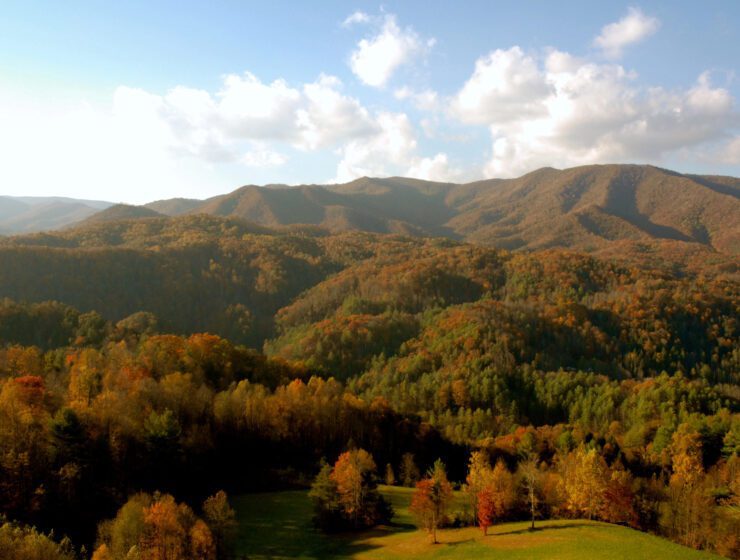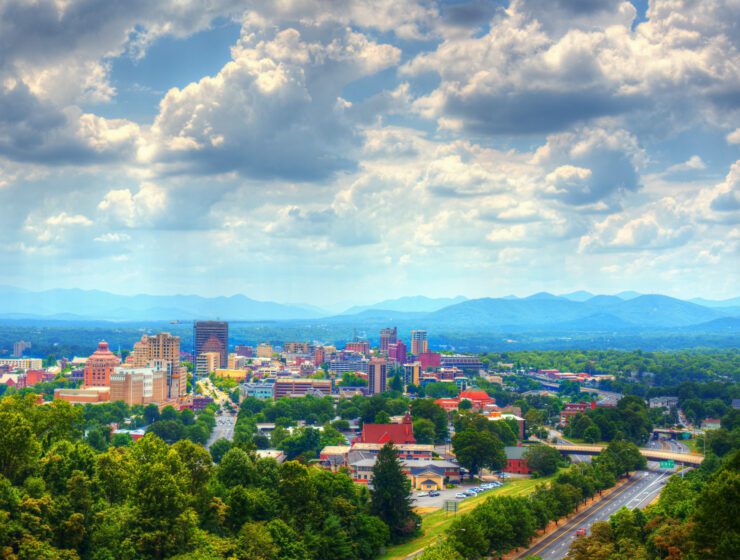


Asheville is known today for its artsy vibe, mountain views, and booming food and craft beer scene—but this scenic town tucked into the Blue Ridge Mountains has a past full of secrets, surprises, and quiet resilience.
Before it became a travel hotspot, Asheville was a retreat for the sick, a playground for the rich, and a city that nearly crumbled under the weight of ambition. Here’s a look back at Asheville’s hidden history—the kind you’ll hear more about when you ride with us on a guided Jeep tour.
Asheville: The “Sanatorium Capital” of the South
In the early 1900s, Asheville became a healing haven for tuberculosis patients. Back then, the best prescription for TB was fresh air, sunshine, and rest—three things Asheville offered in abundance.
Dozens of sanatoriums and “rest homes” popped up across the city, tucked into the hills and pine groves. Patients, often wealthy and from far away, came here hoping the mountain air would cure them. Doctors and nurses flocked to the area, too, turning Asheville into a medical and wellness destination.
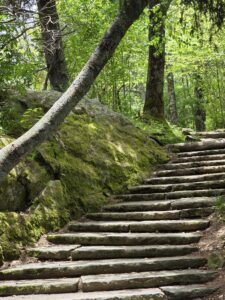 Today, you can still spot the old stone walls and staircases from those facilities—now hidden under ivy or repurposed as apartments or boutique inns. It’s a quiet layer of Asheville’s past that many visitors never hear about.
The Vanderbilt Legacy: Building the Biltmore
One of Asheville’s most famous names is George Washington Vanderbilt II, the man who fell in love with the landscape and built the Biltmore Estate—still the largest privately owned home in the United States.
Completed in 1895, the Biltmore had 250 rooms, a working farm, and stunning views of the surrounding Blue Ridge Mountains. Vanderbilt’s vision was more than just a home; he brought in top architects and landscapers (including Frederick Law Olmsted, who also designed Central Park) to shape the land and community.
The construction of the Biltmore Estate helped Asheville grow into a sophisticated cultural and economic hub. It also attracted attention from artists, thinkers, and society’s elite—setting the tone for the city’s creative spirit today.
When the Bubble Burst: Asheville’s Great Depression Struggles
Asheville boomed in the 1920s. The city borrowed heavily to fund impressive infrastructure projects—new roads, buildings, and public works. The downtown area became a showcase for Art Deco architecture, which you can still see today.
But when the stock market crashed in 1929, Asheville’s dream came crashing down with it. The city was left with more debt per capita than any other in the nation.
What followed was decades of financial hardship. But here’s the twist: Asheville didn’t tear down its old buildings. Because it couldn’t afford to. That financial pause accidentally preserved some of the most beautiful architecture in the South.
Today, that historic downtown—filled with buildings from the early 20th century—is part of what makes Asheville feel so timeless and unique.
Hidden History, Local Stories: What You’ll Hear on Our Jeep Tours
Our guided Jeep tours through Asheville and the nearby Blue Ridge Mountains don’t just show you the scenery—they take you back in time. We’ll point out landmarks tied to the sanatorium era, tell tales of the Biltmore legacy, and share stories about how the town pulled itself out of the Great Depression.
And because we’re locals, we know the legends, the backroads, and those odd little places you won’t find in a guidebook.
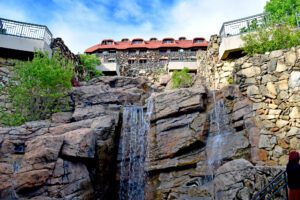 Want to See the Past Come to Life?
Whether you’re a history buff, a curious traveler, or someone who loves discovering the real story behind a place, our Jeep tours are designed to take you beyond the postcard version of Asheville.
You’ll see the mountains, yes. But you’ll also feel the weight of its past—and its quiet, creative rise from it.
Daily tours depart from downtown Asheville
Comfortable, climate-controlled Jeeps with local guides
Book now to reserve your seat and hear the stories most visitors never will
Explore Asheville’s Past on a Jeep Tour