


Historic City Tour of Asheville, North Carolina
A three-hour guided tour of Asheville in an open-air safari-style Jeep, leaving from a downtown hotel lobby. Guides cover the city's Gilded Age years, F. Scott Fitzgerald's time here, Appalachian moonshining and the collapse of 1929. $99 for guests ages 13 and up, $59 for children ages 5 to 12. Departures at 9:00 a.m., 12:30 p.m. and 5:00 p.m.
Leaves from 22 Woodfin Street — inside the Four Points Sheraton lobby, downtown. Open-air Jeep with a local guide; two guests minimum.
Check dates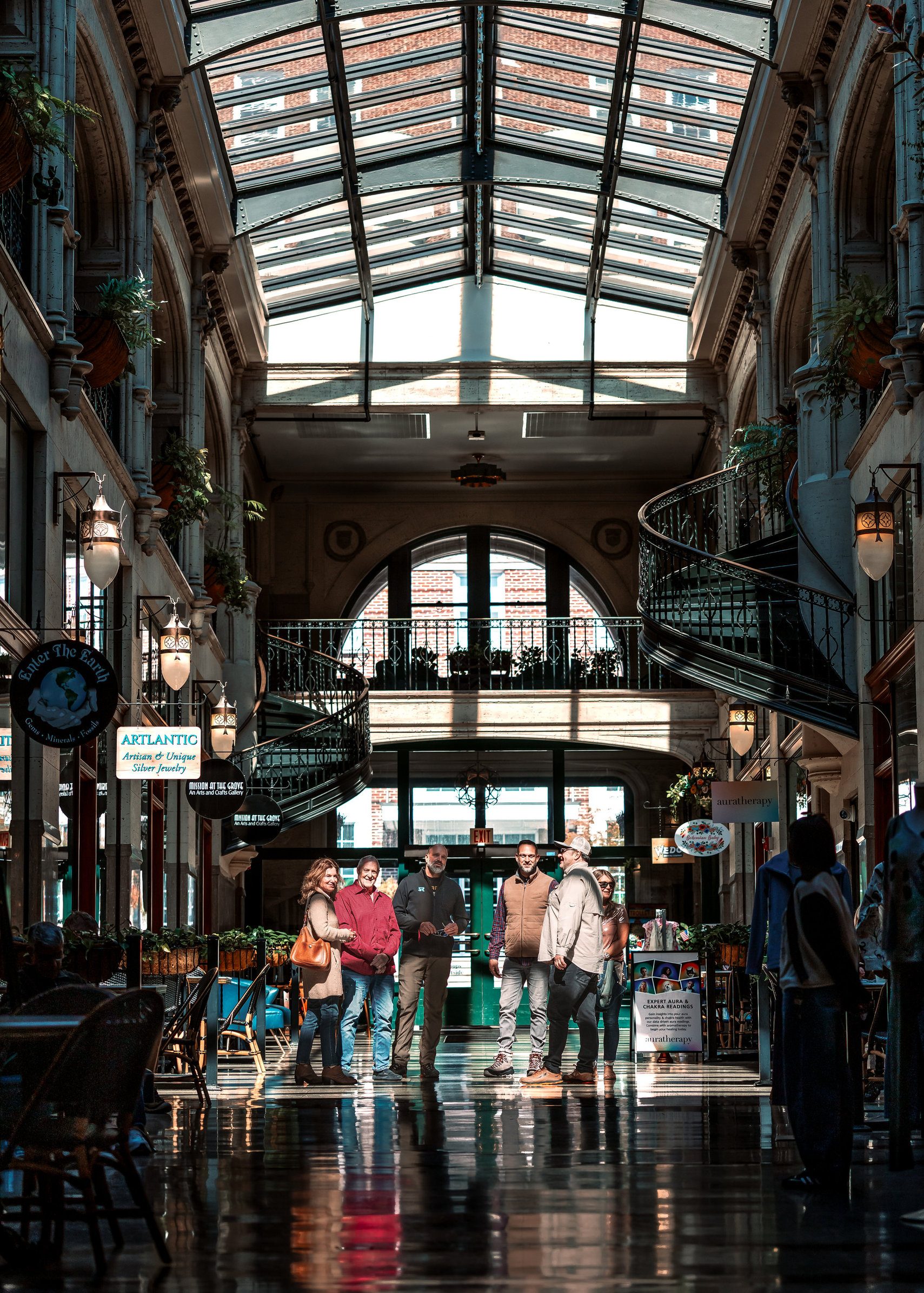
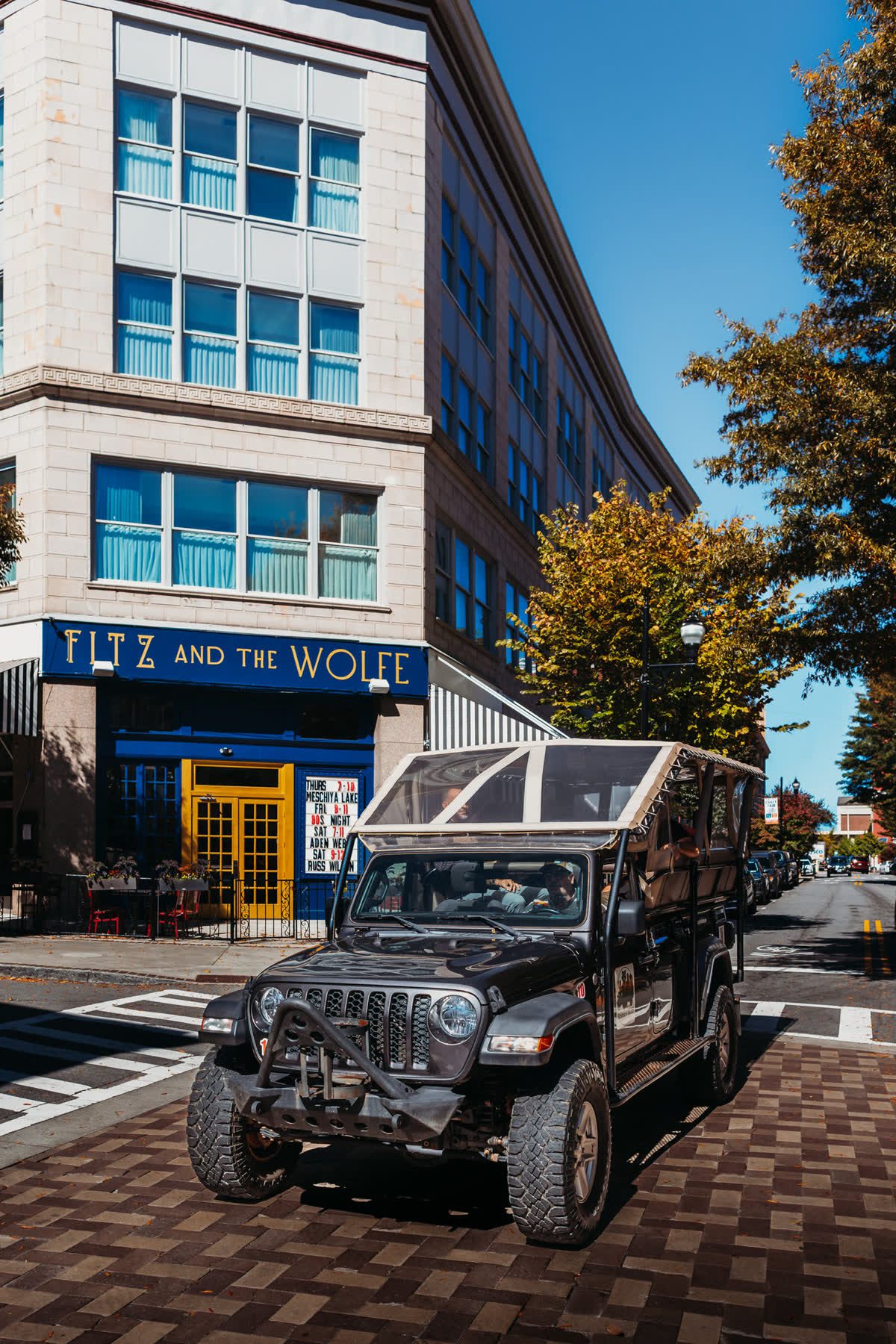
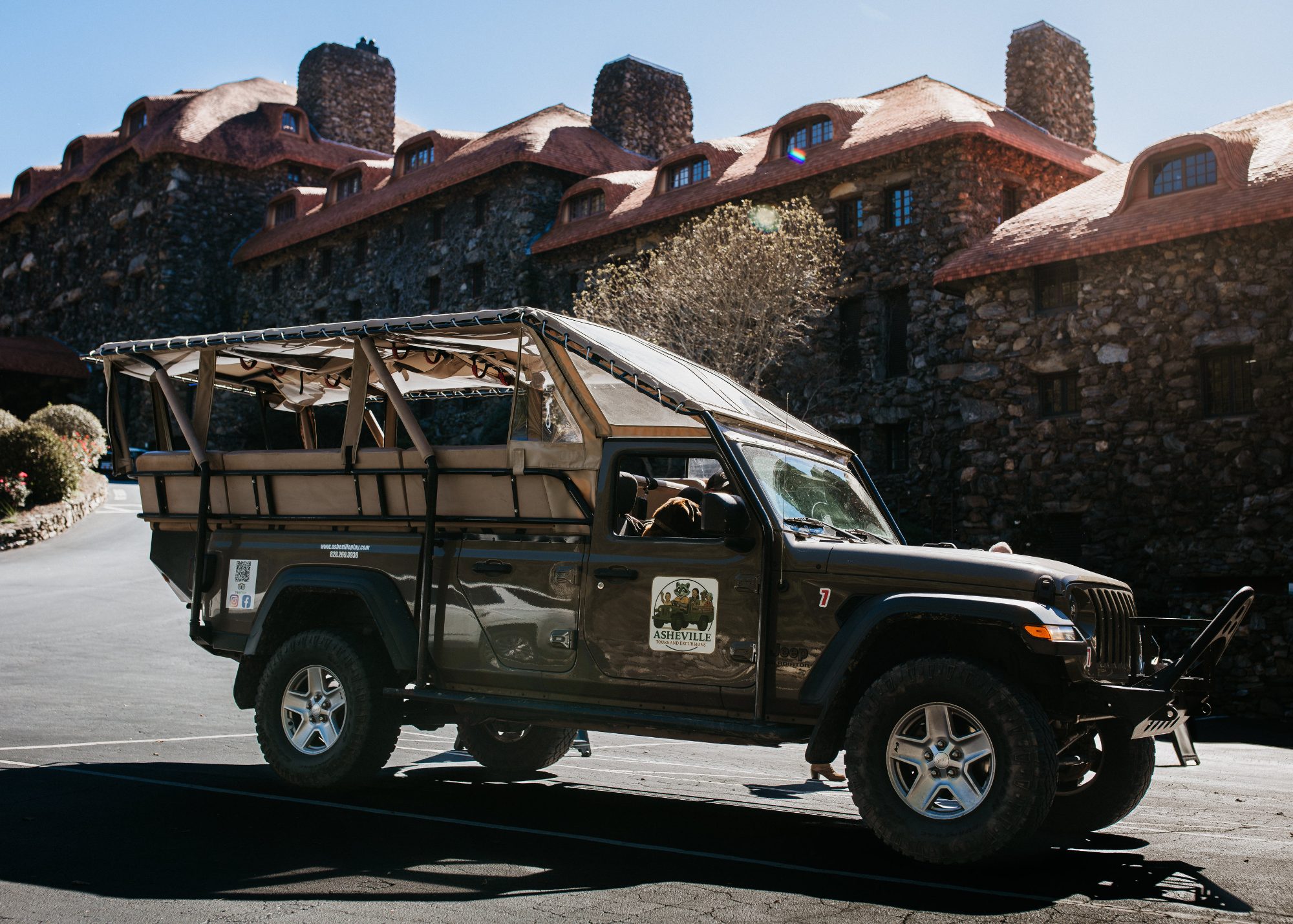
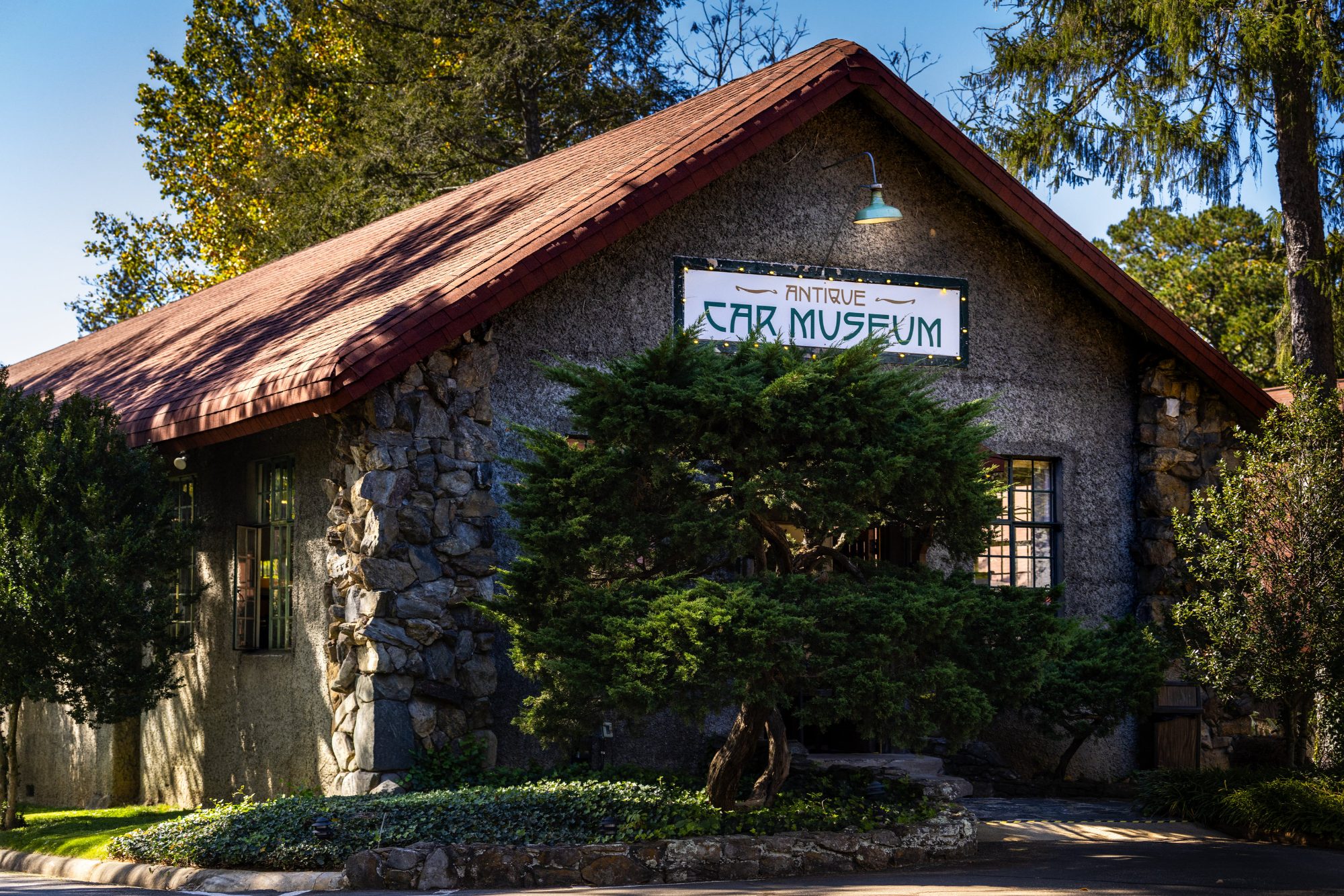
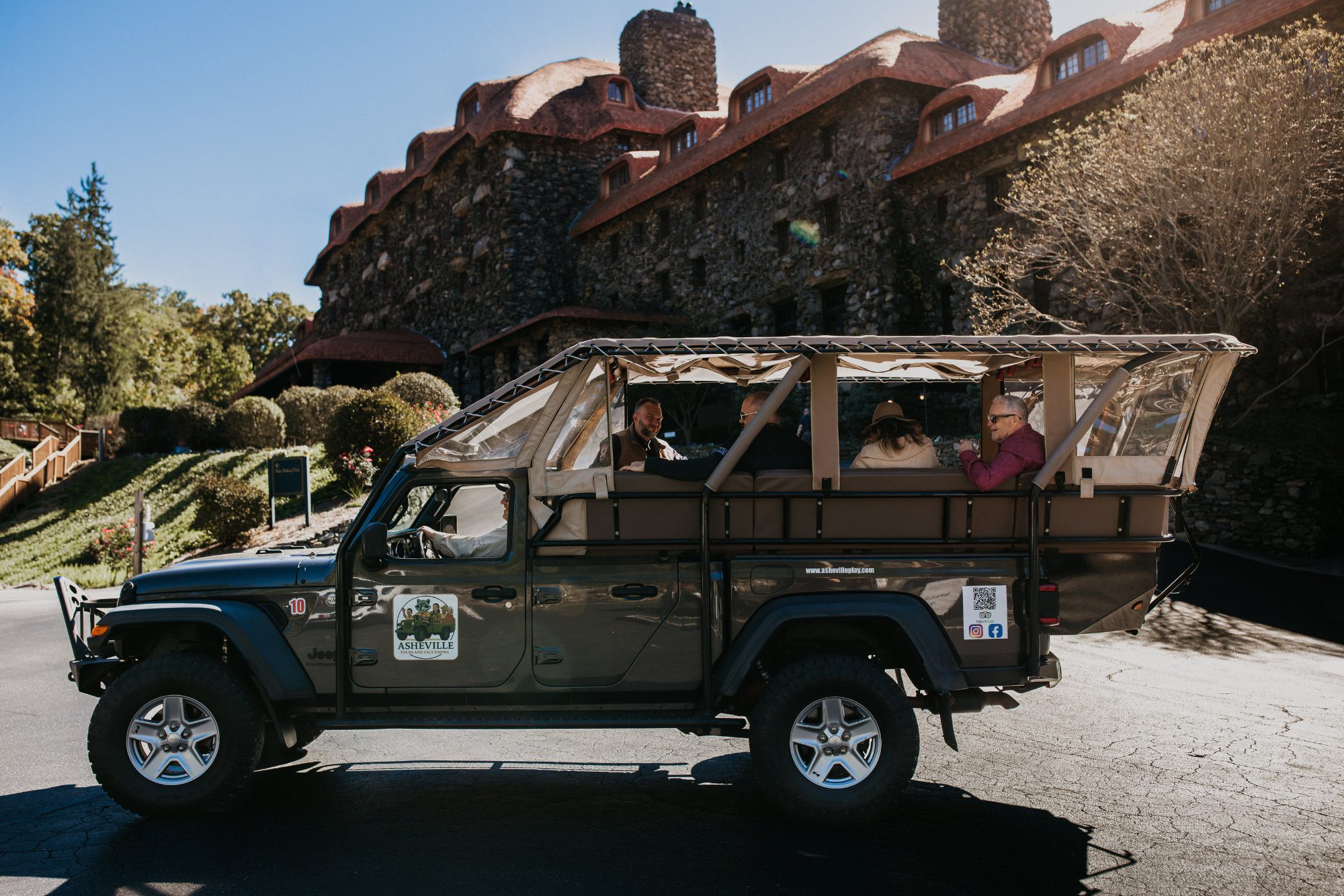
You sit high with the sides open, and the route takes in mountain views, historic neighbourhoods, hidden landmarks and local folklore, with time built in for photographs and questions. Blankets and rain ponchos are on board, and enclosed, heated configurations are available in cooler months.
A rider comes off this historic Asheville tour knowing why a small mountain town became a playground for America's wealthiest families, what Fitzgerald was doing during his summers at the Grove Park Inn, how mountain distilling ran as ordinary farm business long before Prohibition, and why so much of downtown still looks the way it did before the crash — the debt that followed left the city nothing to spend on pulling buildings down. One stop is a historic mansion that predates the city's better-known estate.
What the tour includes
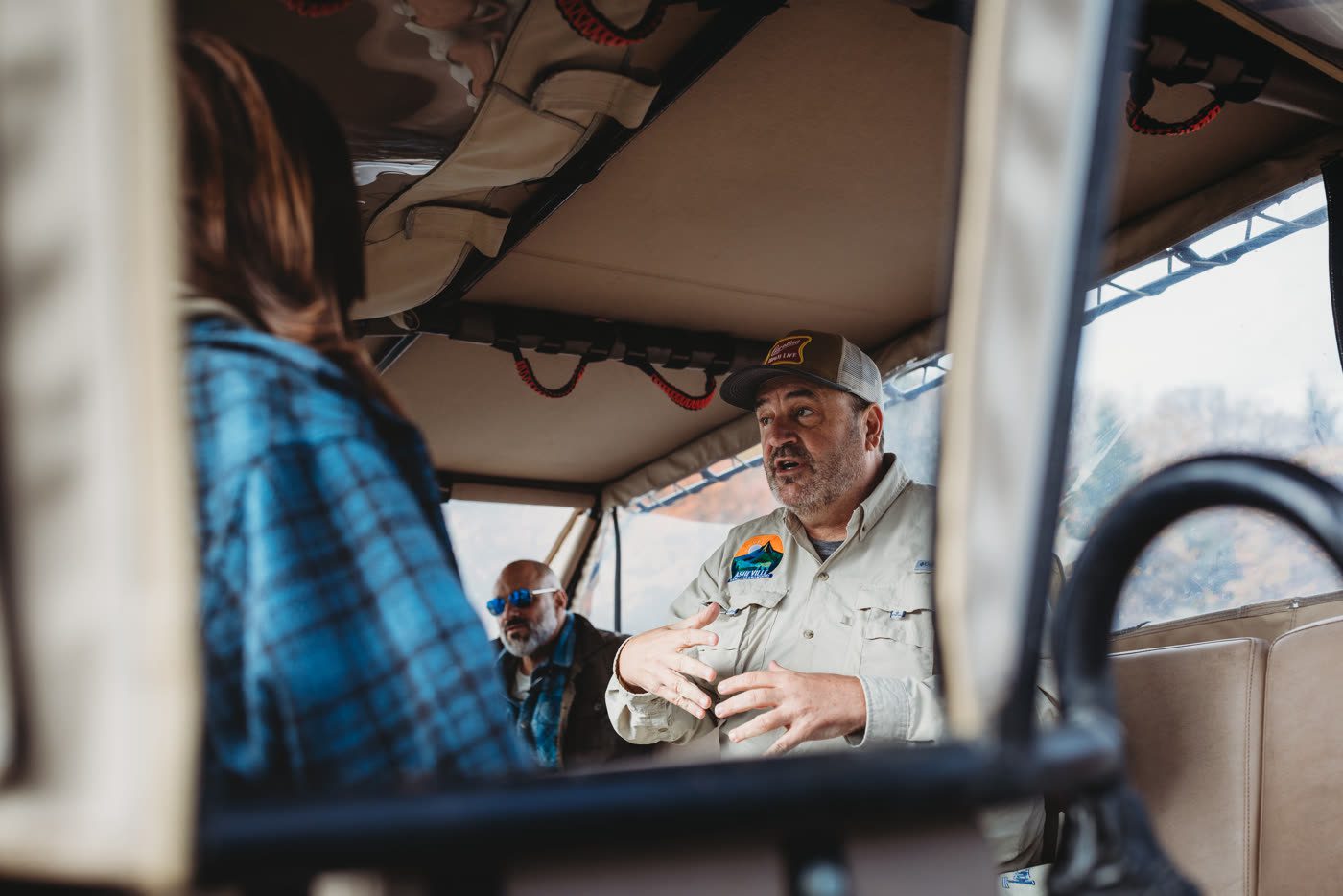
The tour is built around its guide. On Asheville history tours that is the part people talk about afterwards: a guide who is knowledgeable and personable, and who tells the city as a story rather than reciting dates. What visitors here say they value most is hearing a place explained by somebody who has lived in it their whole life. Guides on this tour are local, with a working background in the region's natural and cultural history, so the answers hold up when a question goes sideways. The narration is built to entertain as much as to inform, and it is pitched at all ages — the storytelling is what makes that work.
Five threads run through this tour — and the last one is the reason the first four are still standing.
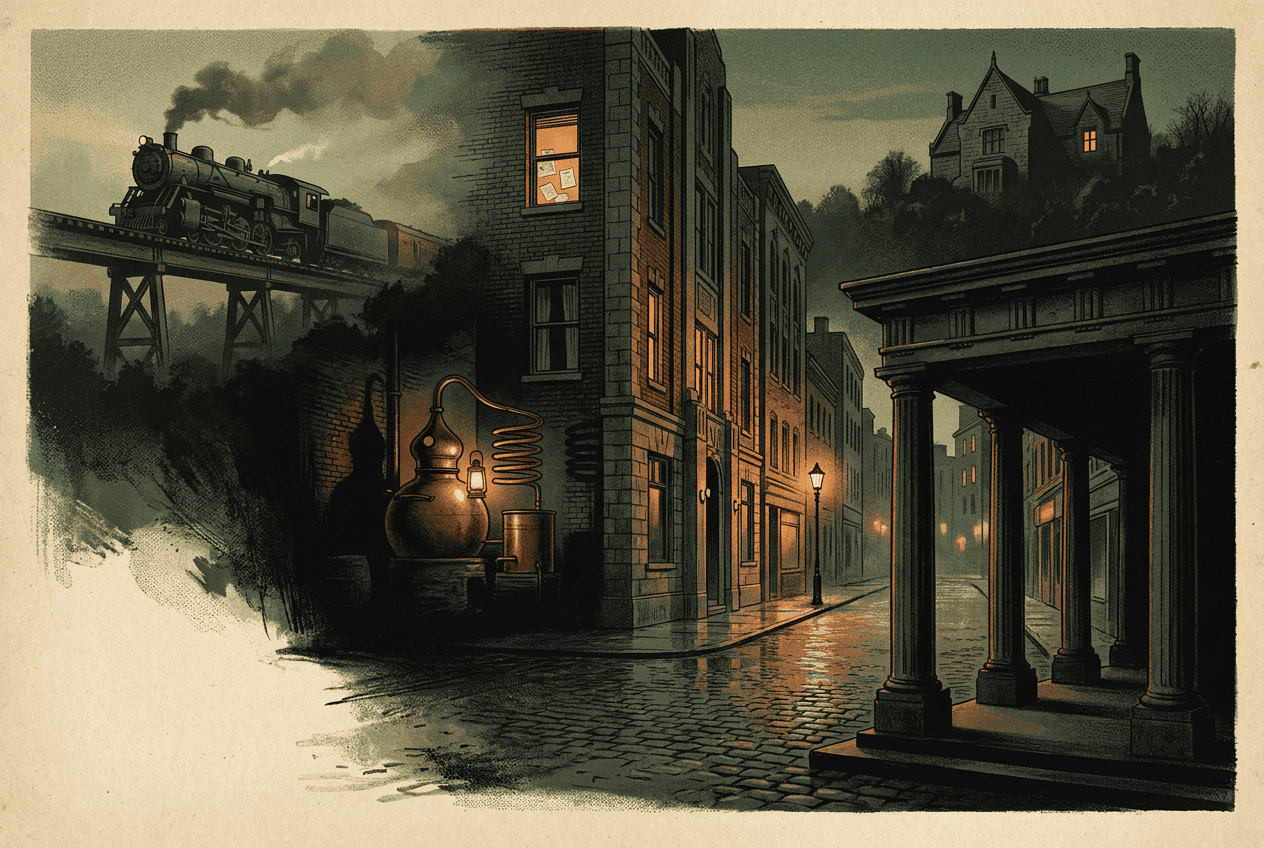
- 1The Gilded Agethe railroad arrives
- 2Fitzgeraldhis years in the city
- 3Moonshinemountain ingenuity
- 4The mansionolder than the famous one
- 51929the crash, and after
- 01The Gilded Age Asheville as a playground for America's wealthiest families.
- 02F. Scott Fitzgerald His time in the city fed into The Great Gatsby.
- 03Moonshiners and bootleggers What mountain ingenuity actually looked like.
- 04A mansion older than the famous one It predates the city's better-known estate.
- 051929 The collapse, and the decades of hardship and recovery that followed.
buildings of early twentieth-century commercial architecture still stand in the historic district — and few of them explain themselves from the sidewalk.
Asheville had boomed, then carried the heaviest burden of any American city after the crash. Clearing the debt took nearly half a century — and those stalled decades are the reason so much of that downtown is still standing. The 1929 thread
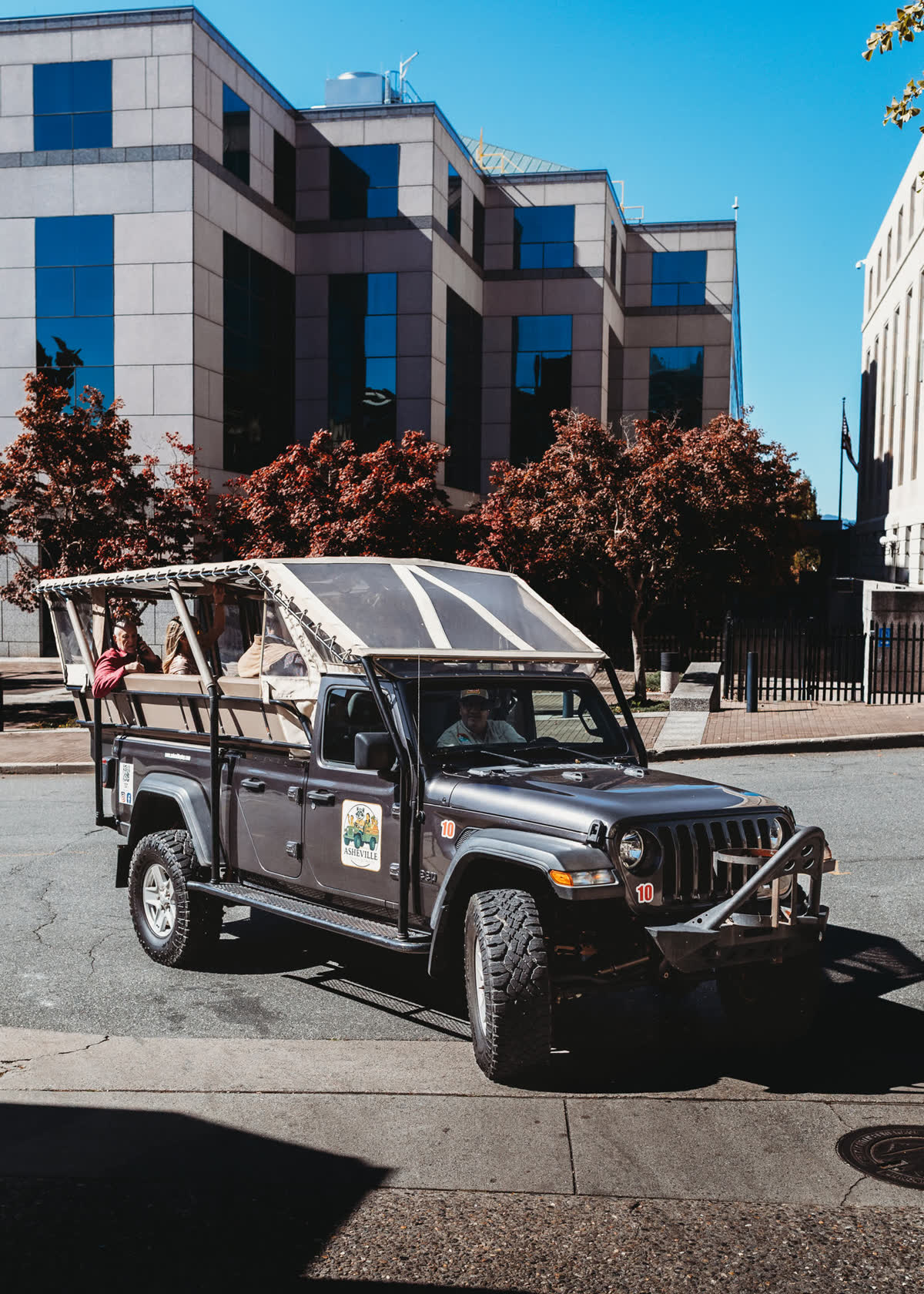
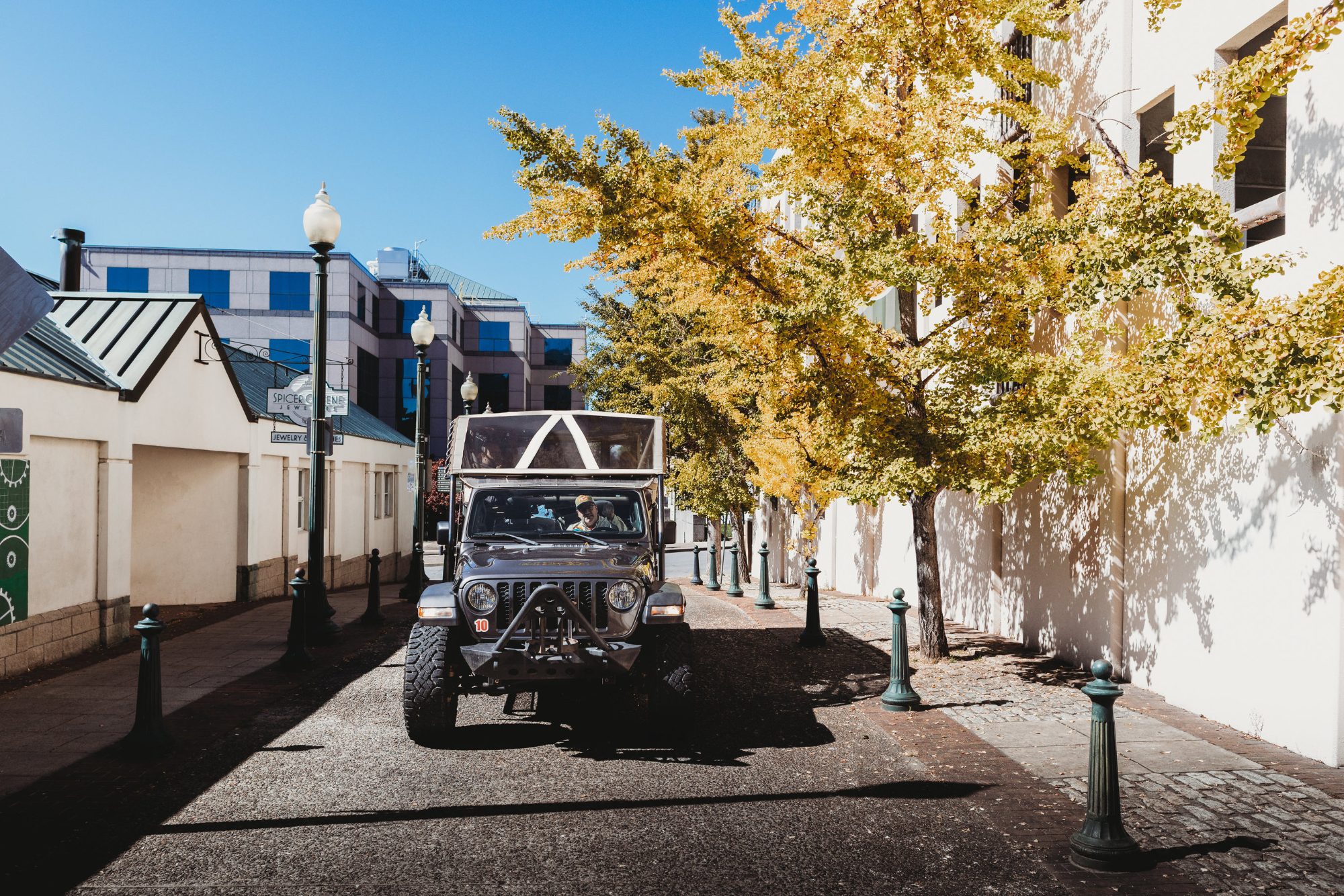
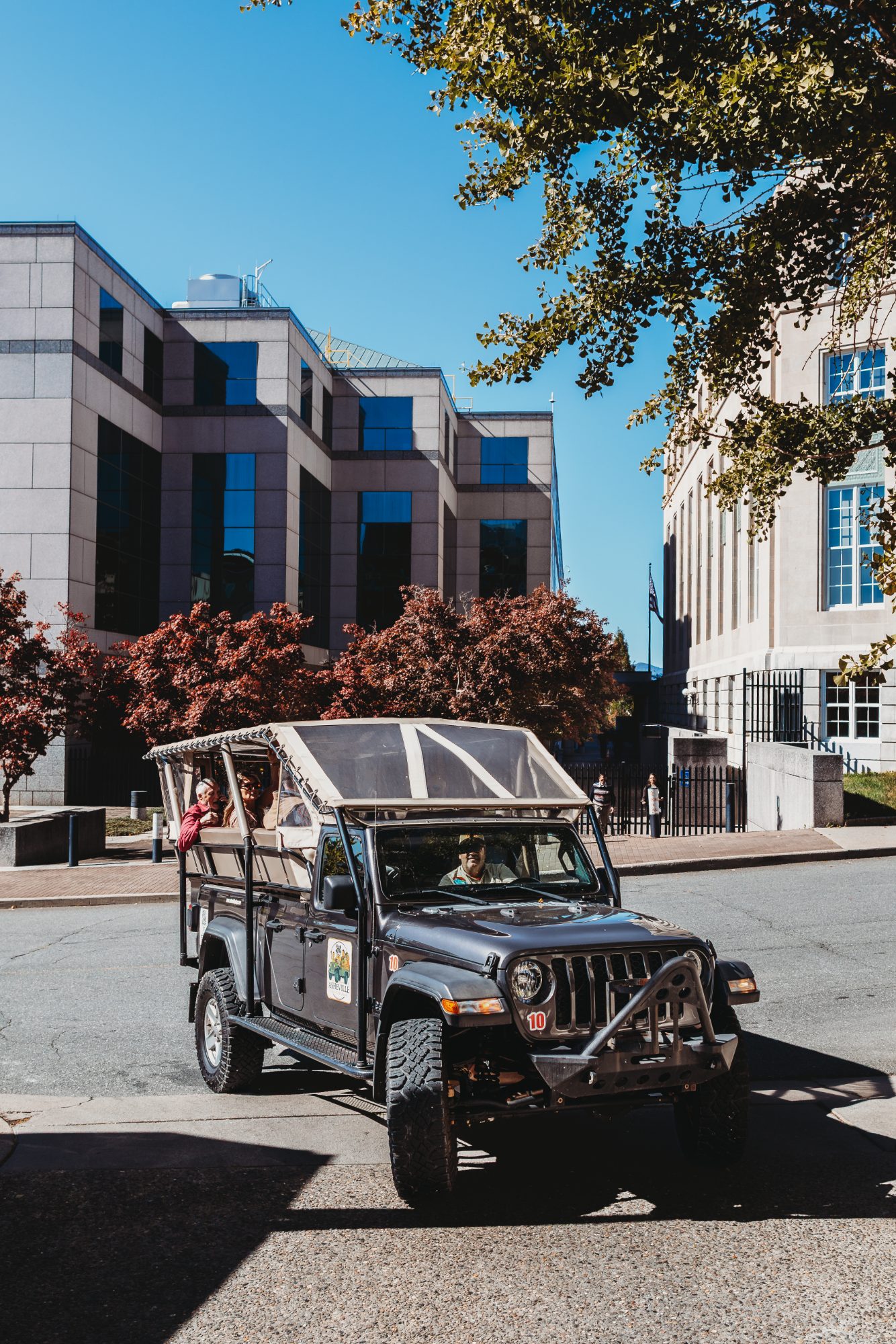
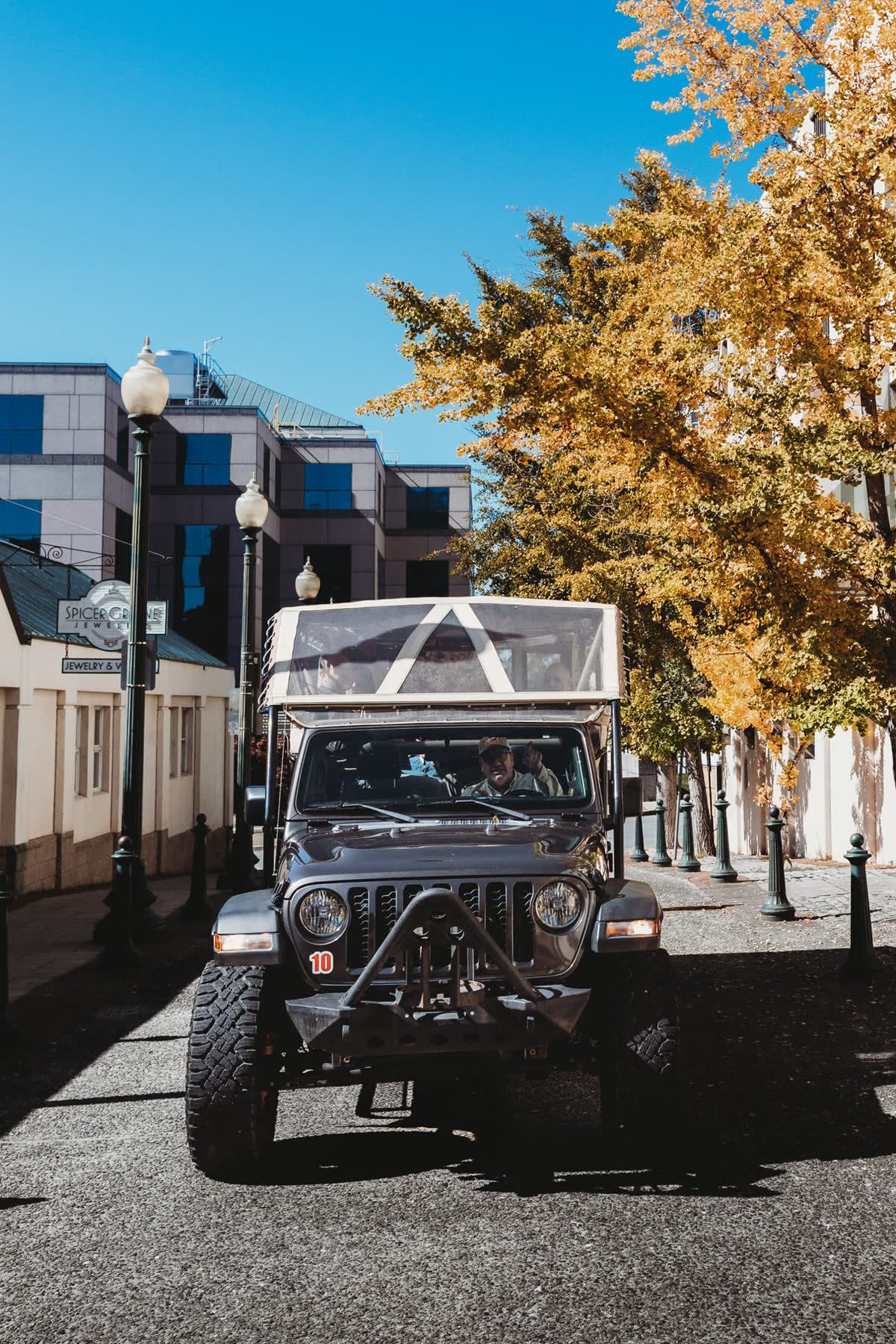
You ride in an open-air safari-style Jeep, which is most of the appeal in warm weather: nothing between you and the street, and photographs without a window in the way. When it is cold, the same tour runs in an enclosed, heated configuration, so ask for that one if the forecast looks unkind. Blankets and rain ponchos are on hand if you want them, and hiking poles are available too.
Routes and highlights are adjusted through the year. Spring brings blooming wildflowers and new growth. Summer runs to lush greenery and the cool pockets of forest that come with it. Fall follows the colour, with the route picked for the best of it. Winter trades that for quiet landscapes and long mountain views, the season when visibility is at its best. Spring and fall are two different versions of the same city, and the route is chosen accordingly.
Both private and public departures run. Private means the vehicle is yours: a family, or a group of friends marking a birthday or an anniversary, with the guide working to that group and no one else. Public departures suit couples and solo travellers, who get the same route and the same narration alongside other guests. Questions on a city tour tend to run past the history as well, on to who lives here now and what is going on downtown this week, and a local guide can take those. Narration runs the length of the drive, with time left for photographs and for the questions the stories raise.
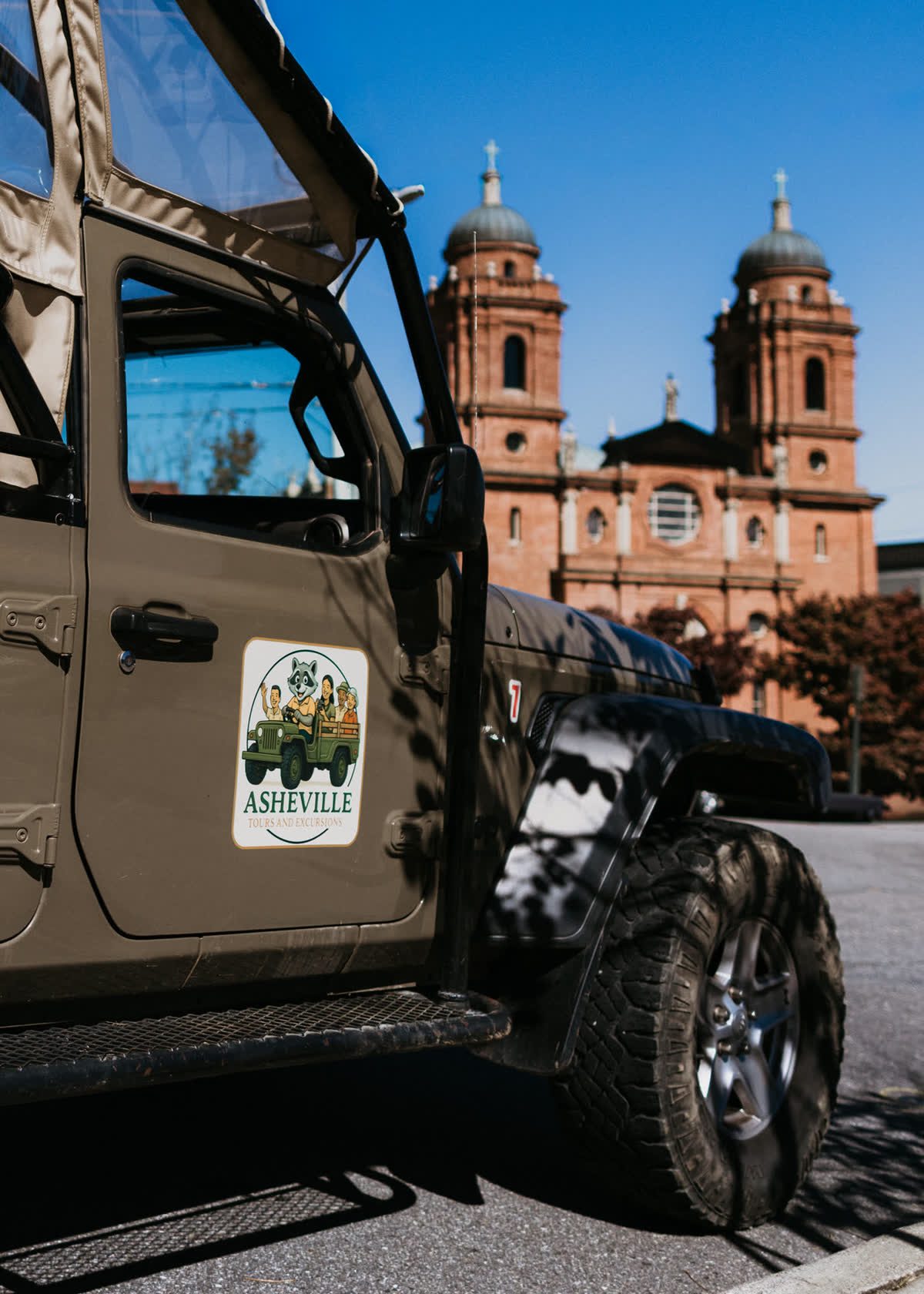
The Basilica of Saint Lawrence. Downtown holds around 170 buildings of early twentieth-century commercial architecture, and few of them explain themselves from the sidewalk.
The Asheville story you will actually hear
One stop is a historic mansion that helped put Asheville on the map, and it predates the city's better-known estate. Most visitors arrive with a different house in their heads. Your guide makes that introduction standing in front of the right one.
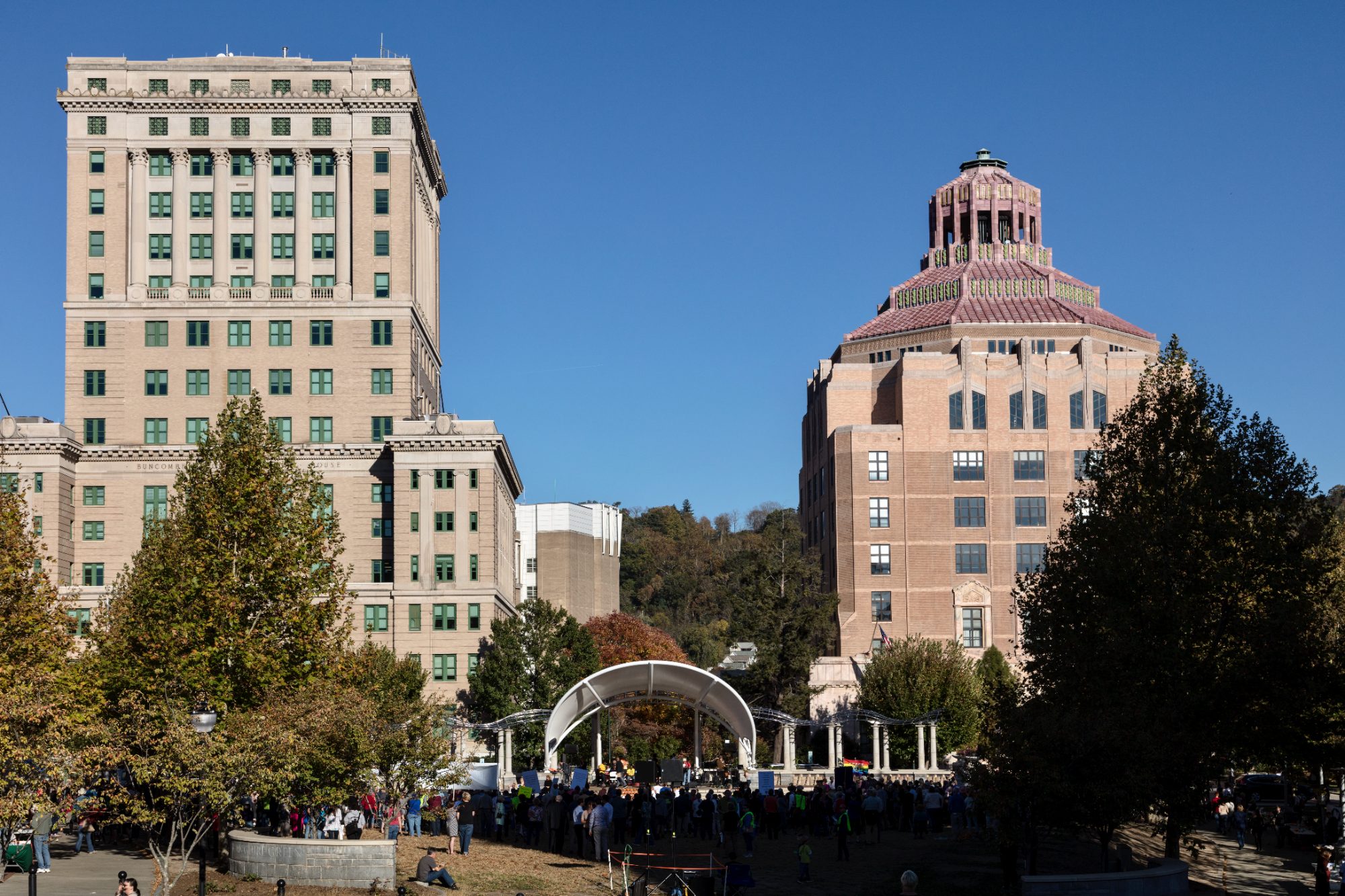
Why did a mountain town become a resort?The railroad reached it
Asheville became a resort because the railroad reached it. By the late 1880s the trains had made these mountains easy to get to, and the people who came were the ones who could afford to chase clean, cool air, bringing architects and landscape designers along with them. The hotels built to hold them were enormous: one ran 475 feet long, its roofline crowded with dormers and chimneys, and it set off the tourism boom the city has lived on ever since. That decade gets remembered as a millionaires' story. It was also a middle-class one, because escaping the summer heat was an ordinary family ambition too, and the same trains carried those families up.
What is the F. Scott Fitzgerald connection?Two summers, and Zelda
F. Scott Fitzgerald stayed at the Grove Park Inn in the summers of 1935 and 1936. He came looking for somewhere cheaper to rest and recover, carrying a mild case of tuberculosis, and he spent those months losing ground to drink, debt, depression and a block that would not lift. He broke his shoulder here and had a sling improvised out of typewriter ribbon; arthritis followed, and by his own account the story he was working on stalled. He hired an Asheville woman, Martha Marie Shank, to run his business affairs, and made a friend of Laura Guthrie Hearne, an aspiring writer who was working at the inn reading palms. In what has been called the darkest year of his life he wrote out a list of 22 essential books for his nurse, and it survives in her handwriting.
In 1936 he moved Zelda from an institution in Maryland to Highland Hospital in Asheville, an exclusive psychiatric clinic on a fifty-acre site where the regime leaned hard on physical activity, across the valley from where he was living. She stayed about four years, went home to her parents in Alabama, and checked back in some years later. She died in a fire at the hospital in 1948, along with eight other patients. Fitzgerald's connection to the city, and the line that runs from it to The Great Gatsby, is one of the threads your guide works through on the way.
Was moonshining actually a big deal here?It was farm work
Long before Prohibition, making liquor here was farm work. Nearly every nineteenth-century household in Transylvania County kept spirits, and turning a corn crop into whiskey was considered sound economics. The mountains suited it: thin road networks made a revenue officer easy to avoid, corn was costly to move over the ridges when whiskey was not, and the work went on at night. Water, grain and rail made North Carolina a distilling state, and the income mattered to households with few other sources of it. Before the Eighteenth Amendment was ratified, bootleggers here ran regular door-to-door rounds like milkmen, carrying whiskey in saddlebags and hot water bottles. Prohibition industrialised a trade it had not invented, wiring secluded stills to city markets with Chicago at the centre of the business. One Alleghany County man remembered stills working overtime and trucks arriving twice a night to load for those cities. This is the Appalachian half of the tour, and it is the half most visitors have never heard.
Why is so much 1920s architecture still standing?The city was too broke to replace it
By the time the crash came, Asheville had already spent a decade building for the city it expected to become. City Hall, the water system, a tunnel and a high school all went up on borrowed money under a bond-financed campaign called the Program for Progress. Contemporary reporting said the city had built beyond its needs, spending tax receipts years ahead of collecting them. The local property market had already begun slipping in 1926 and 1927, and house prices fell nearly 50 percent between 1927 and 1933. The debt came to more than Greensboro, Winston-Salem, Durham and Raleigh owed put together. In November 1930 the largest bank in western North Carolina closed, with nearly $8 million of city, county and school money sitting inside it. Then came the queues of depositors, the shuttered businesses, the lost jobs and the emptied buildings. An audit found the commissioners had plunged the city headlong into debt and betrayed their trust; they resigned, and Asheville rebuilt its government around a council and a city manager. Indictments followed, bank officials went to prison, and at least two officials took their own lives.
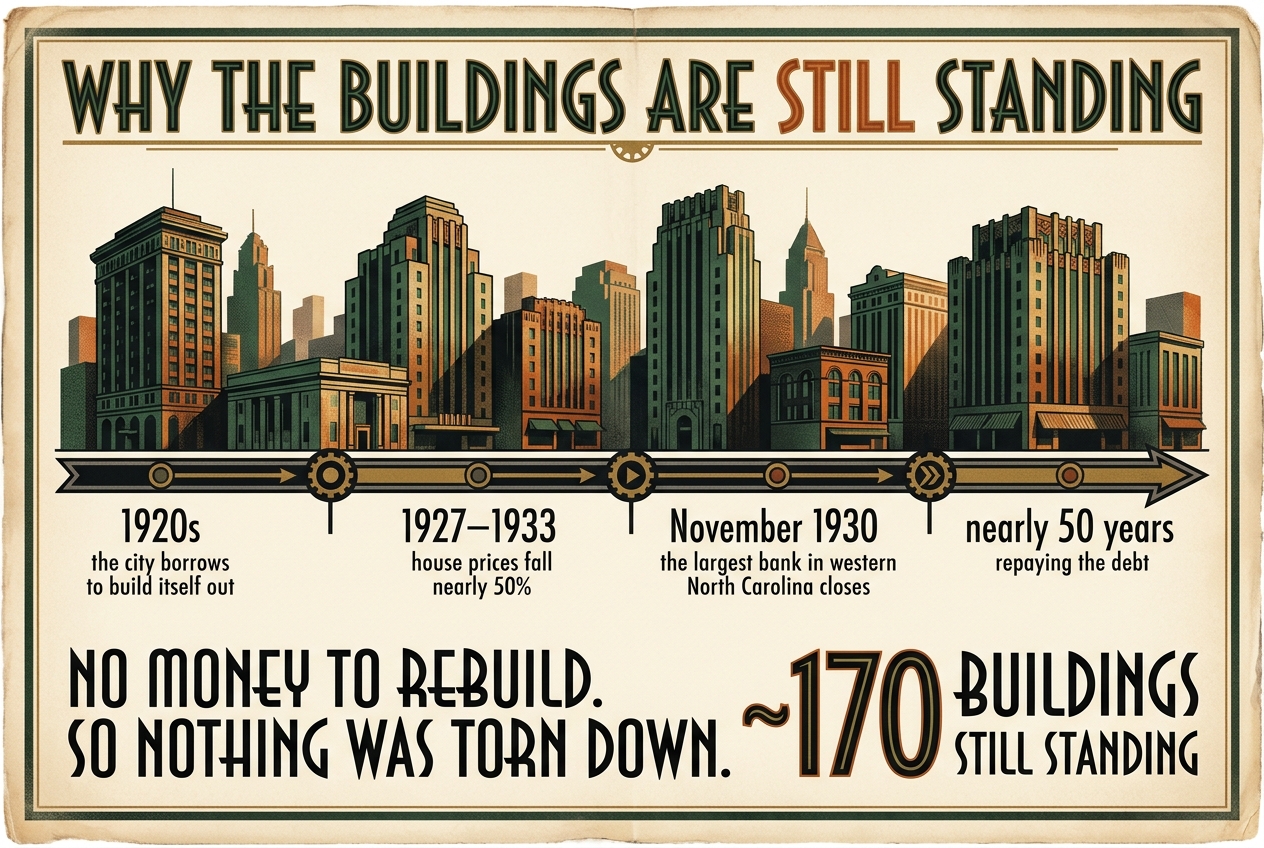
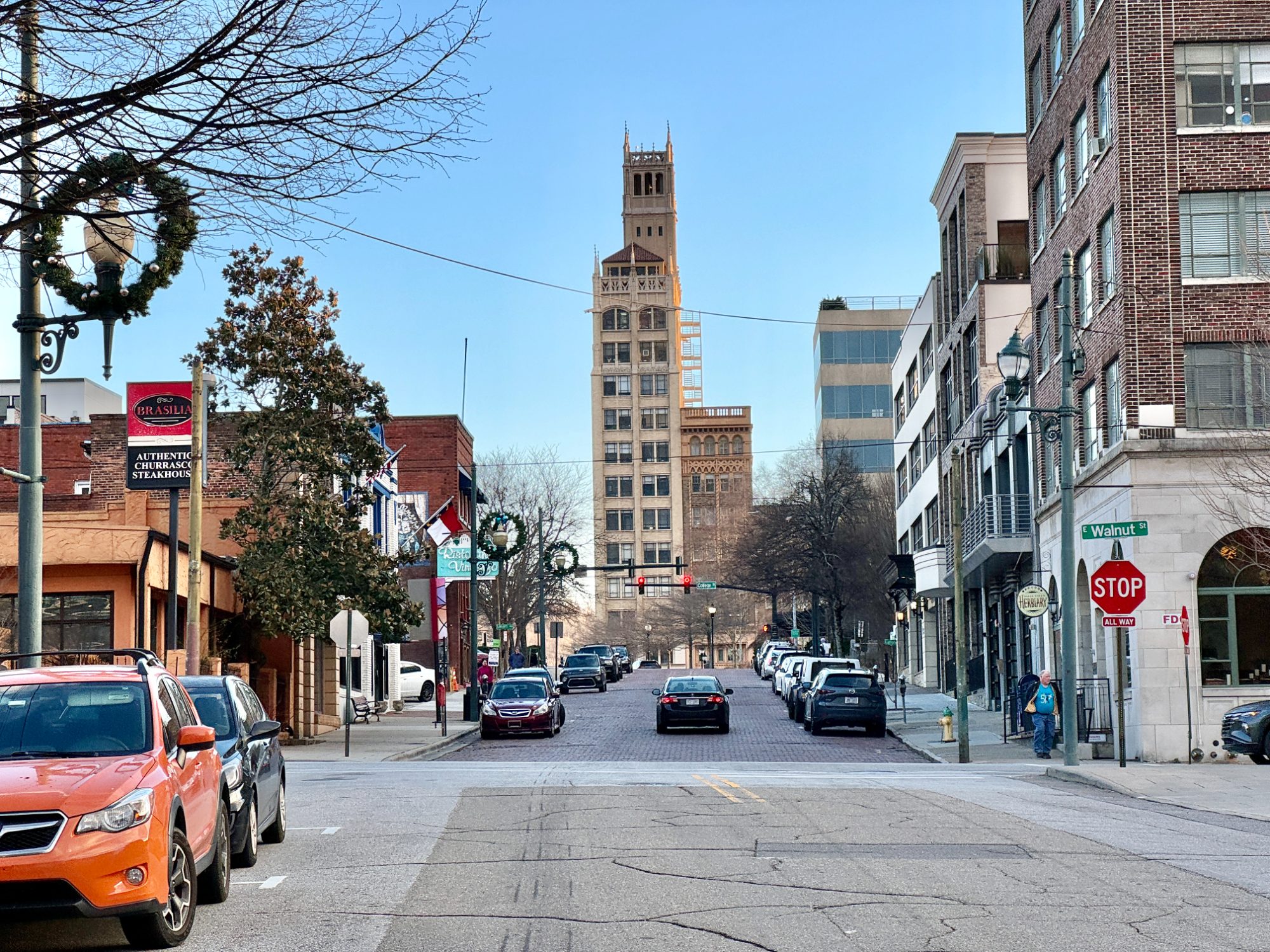
The debt was refinanced in 1936, took nearly half a century to clear, and while it was being paid there was nothing left over for anything else. Which brings you to the irony your guide will hand you at some point in the three hours: the money the city never had is the reason the buildings are still standing. There was no capital to pull the 1920s downtown down and put something newer in its place, so it survived on stagnation. What came out the other side is one of the most comprehensive collections of early twentieth-century commercial architecture anywhere, around 170 buildings, in Neo-Gothic, Beaux-Arts, Art Deco and Neoclassical. Asheville boomed in the twenties and then carried the heaviest burden of any American city after 1929, and the climb back was slow: a mall opened in 1976 and drew more life out of the centre, and into the 1980s people were still calling this the city that almost wasn't.
Your guide is a local with a working knowledge of the city's history, ecology and folklore, and the narration leaves room for questions and for photographs. Five threads, one morning or afternoon, and a version of Asheville you cannot get from a window seat.
The Asheville you cross
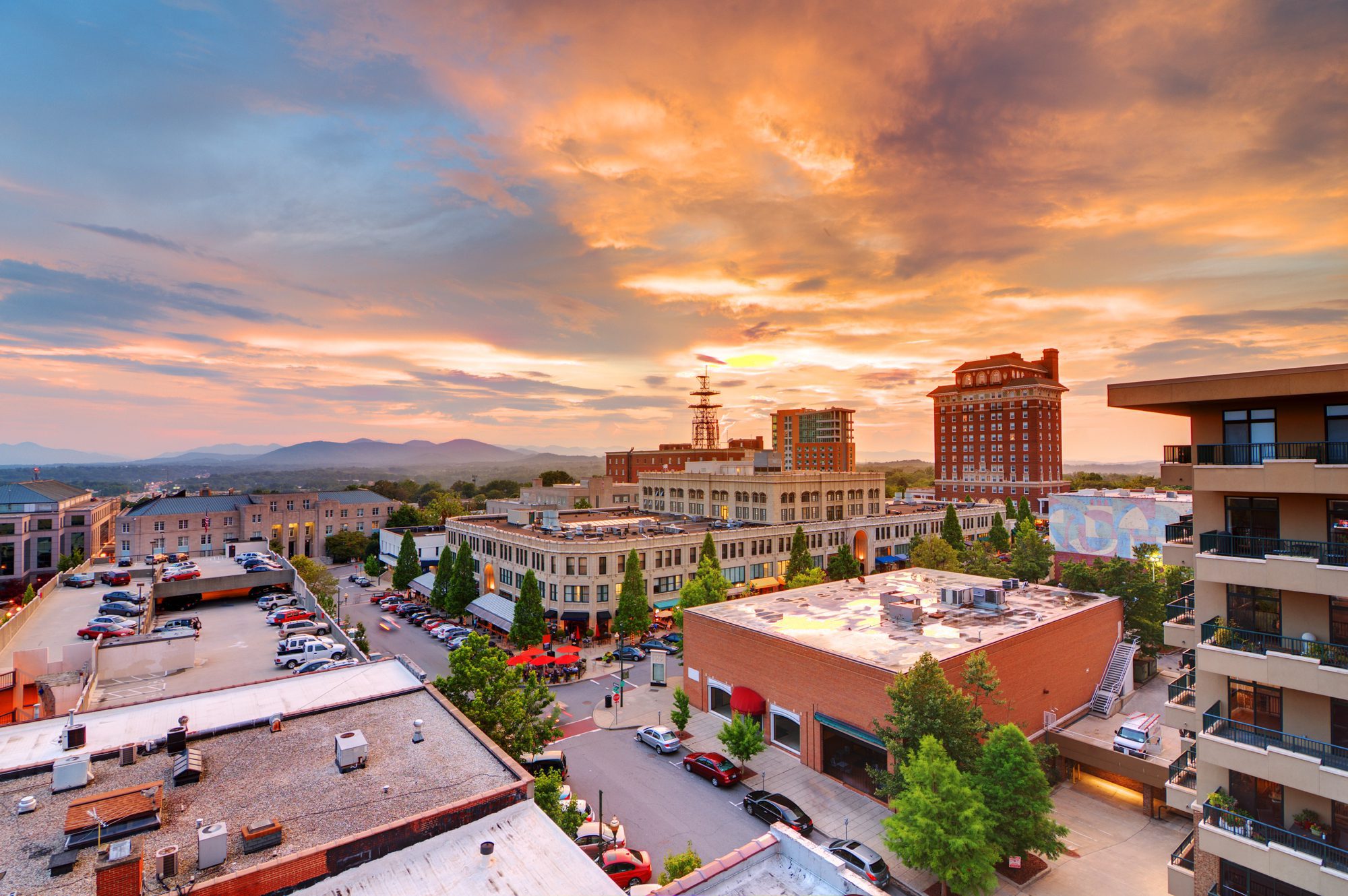
Your guide works the city’s history against the buildings it happened in. These are the places that history belongs to.
- Grove ArcadeBuilt by E. W. Grove in 1929 and the centre of Western North Carolina commerce until it closed during the Second World War. On the National Register.
- Basilica of Saint LawrenceTwin brick bell towers under copper domes, and one of the downtown landmarks the city is known for.
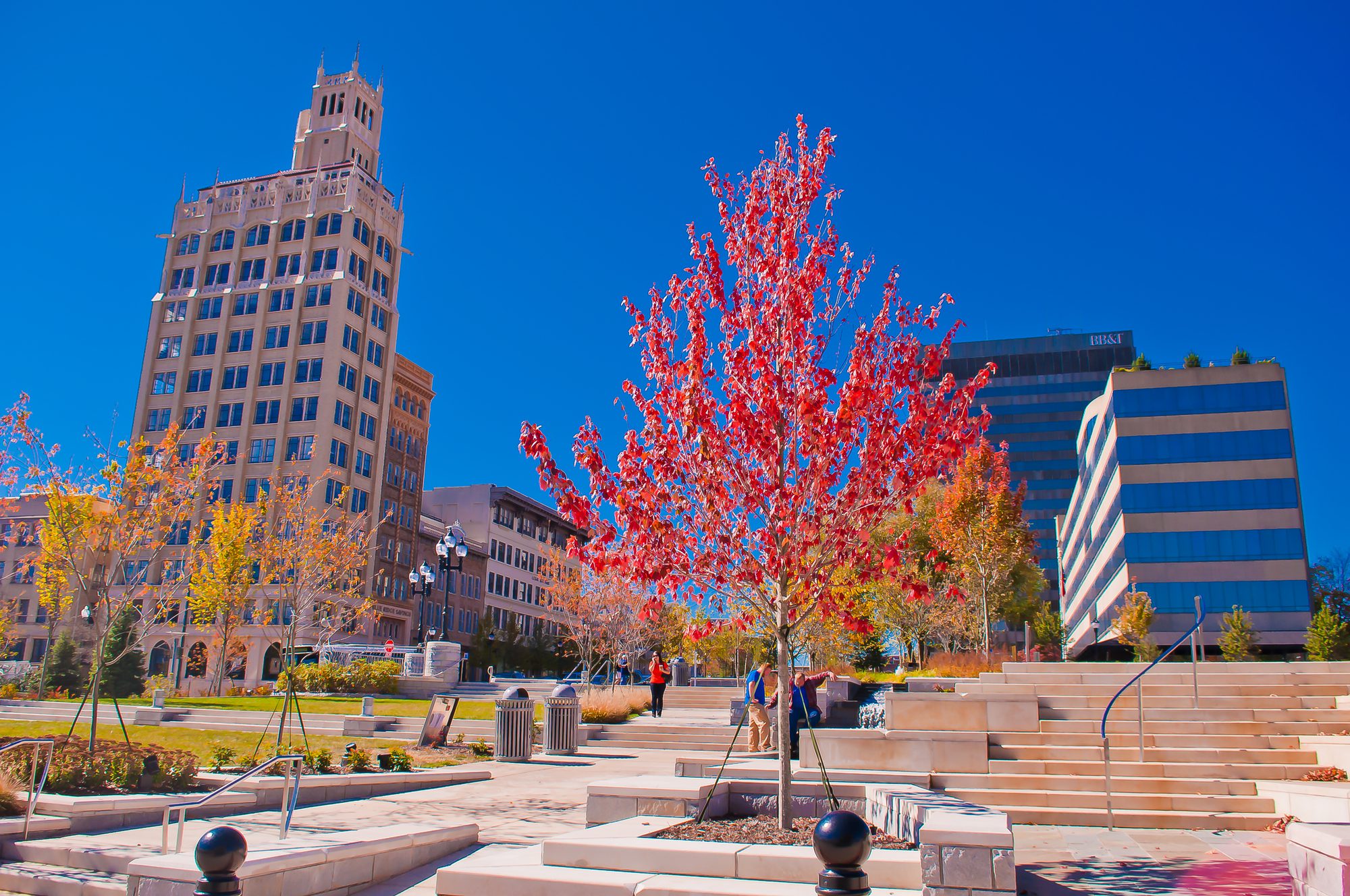
- Jackson BuildingNeo-Gothic, and the first skyscraper on Pack Square — far taller than its footprint.
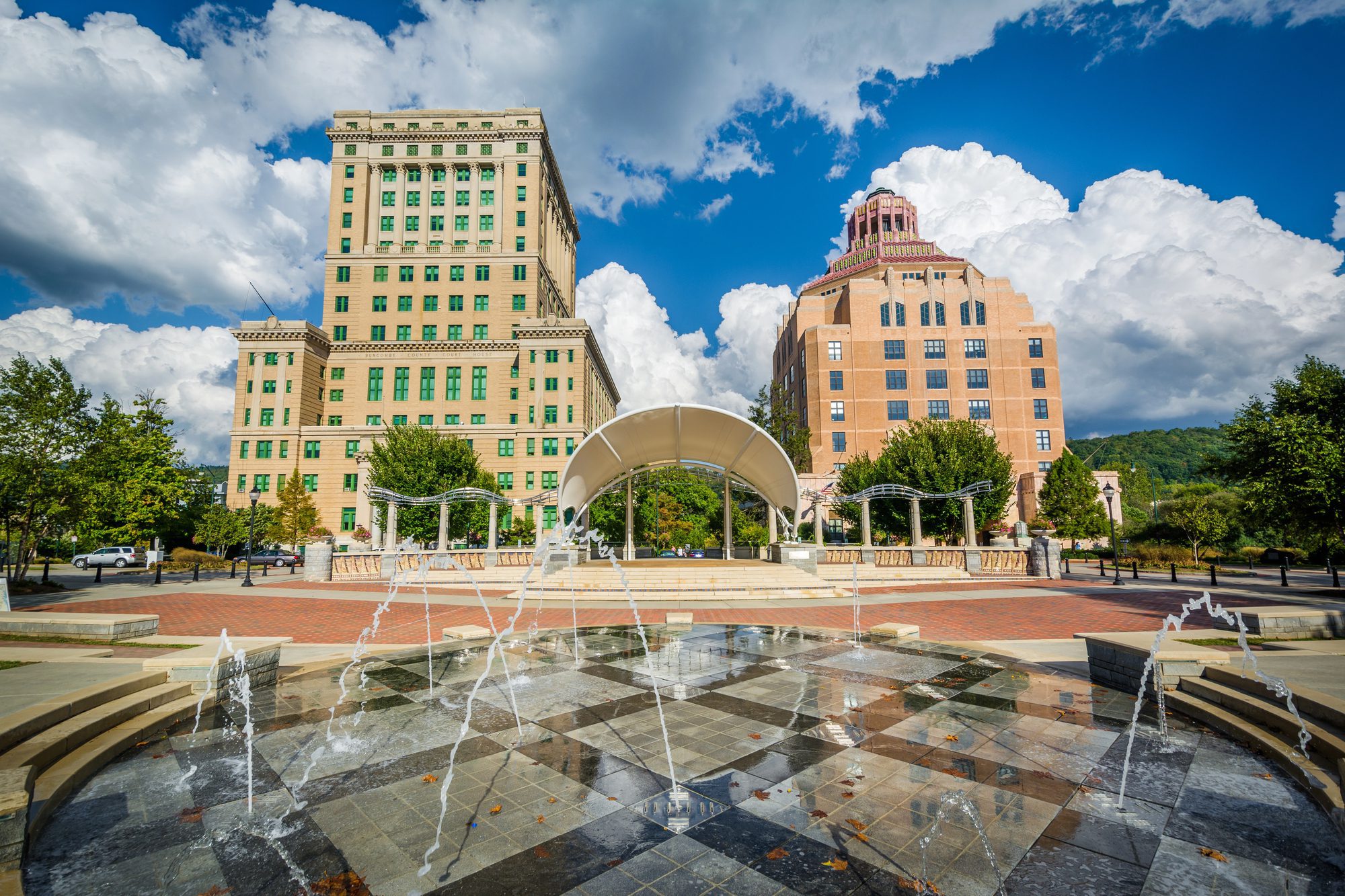
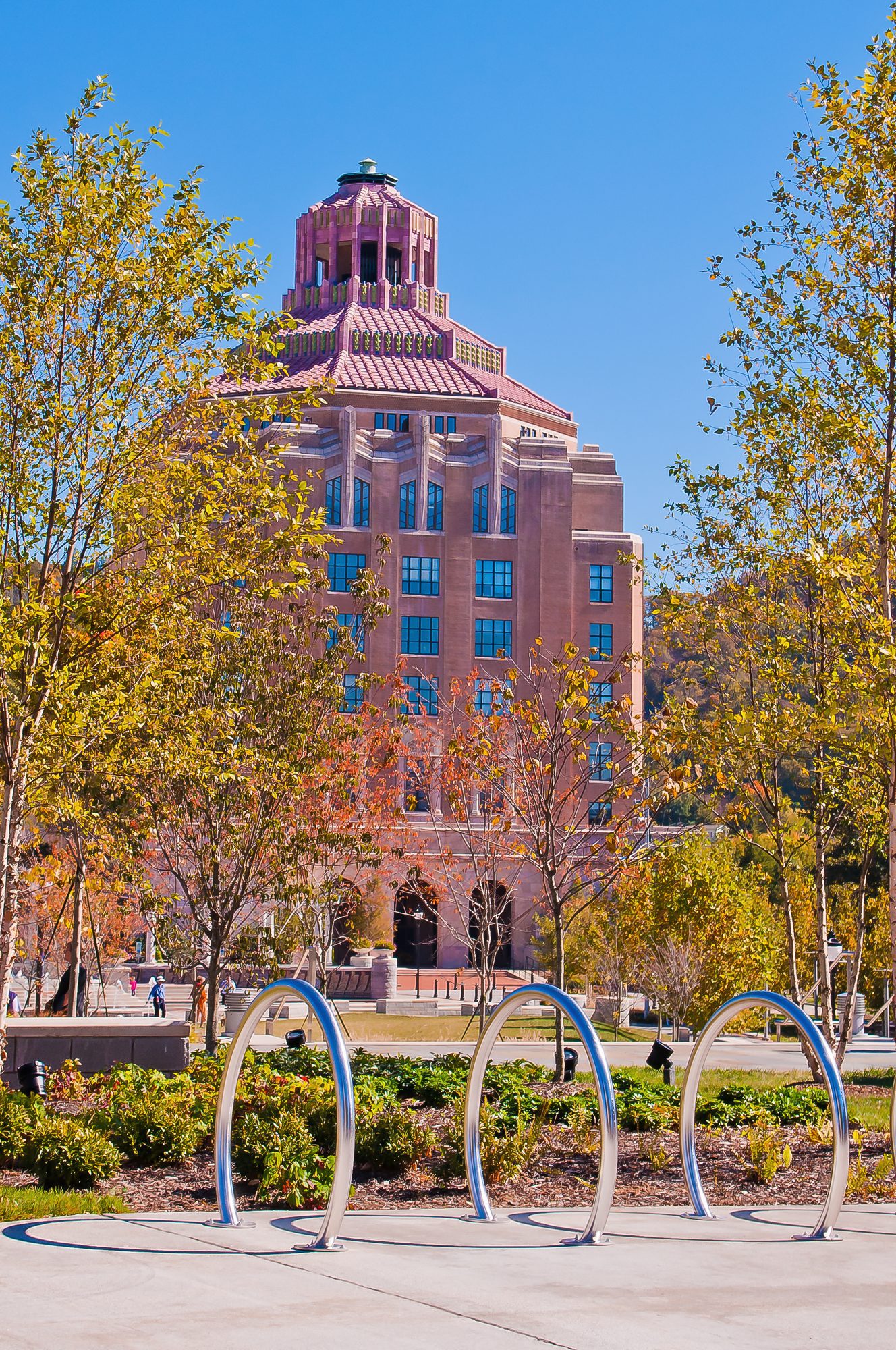
- Asheville City HallArt Deco, styled like a stylised 1920s mountain top, and one of the buildings the city borrowed to put up before the crash.
- Pack SquarePhotographed around 1929 ringed by the 1926 City Hall, the 1903 and 1928 county courthouses, Pack Memorial Library, the Legal Building and Central Bank & Trust.
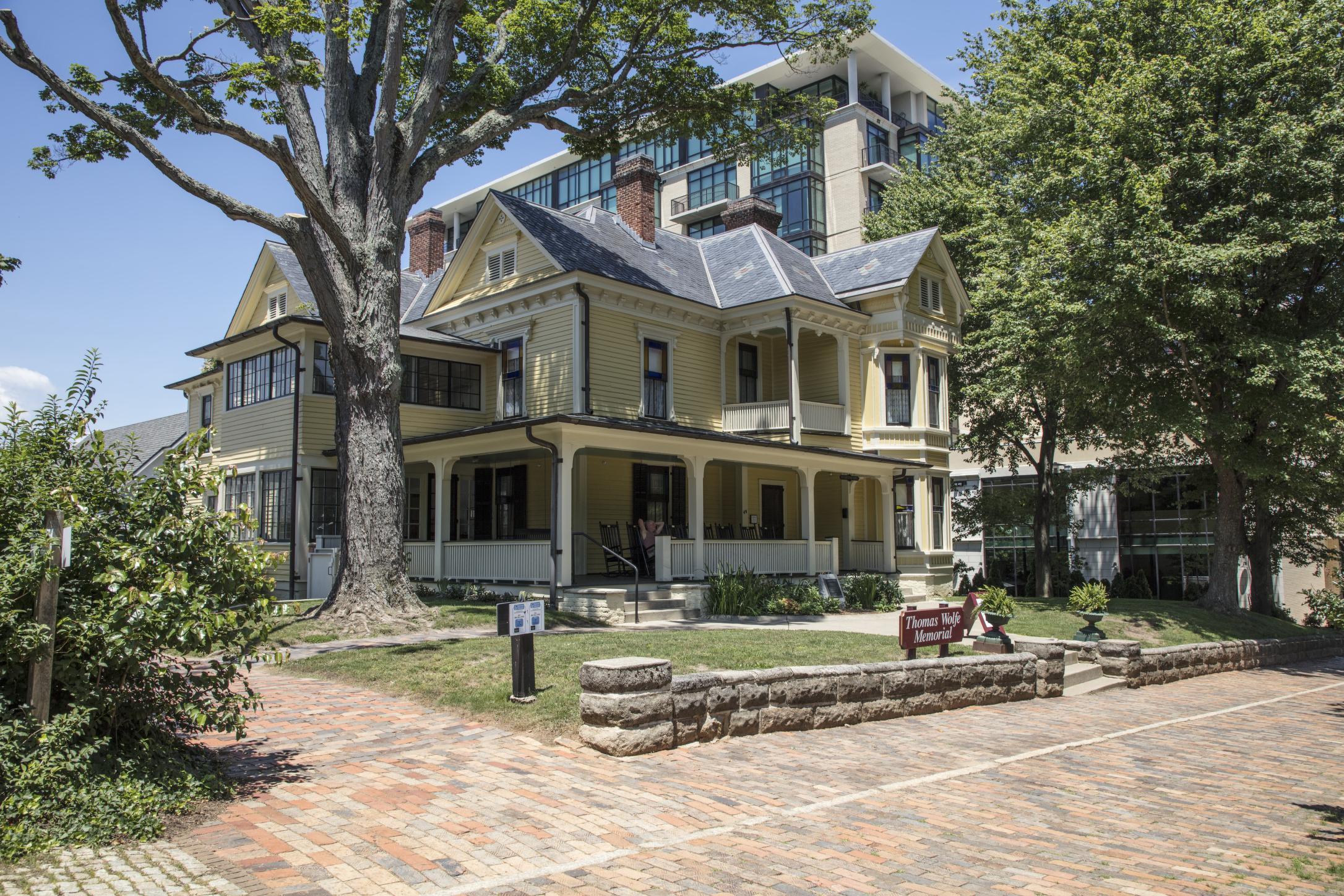
- Thomas Wolfe MemorialHis mother’s boarding house, the “Old Kentucky Home”, fictionalised as “Dixieland” in Look Homeward, Angel. Now a North Carolina State Historic Site.
- Battery Park HotelThe original ran 475 feet long, crowded with dormers and chimneys, and set off the tourism boom the city has lived on since. Today’s building is not that one.
- The Grove Park InnE. W. Grove began it just after the turn of the century. F. Scott Fitzgerald stayed here across the summers of 1935 and 1936.
- MontfordFounded as its own community in 1893 and described as Asheville’s most historic neighbourhood, full of Victorian houses.
More of the city, and where it sits
- Riverside Cemetery Inside Montford. Thomas Wolfe and O. Henry are both buried here.
- S&W Cafeteria Building Art Deco, and one of the named downtown landmarks.
- Grove Park Historic District On the National Register (NRIS 89000247) for its planning, landscape architecture and its Colonial Revival, Craftsman and Tudor Revival houses.
- Albemarle Park Locally designated a historic district by Asheville City Council, as Montford is.
- Pack Memorial Library One of the buildings in the 1929 Pack Square ring.
- Buncombe County Courthouse The 1903 and 1928 courthouses both stood on the square.
- The Legal Building Also on the square in that 1929 photograph.
- Highland Hospital Where Scott moved Zelda in 1936, across the valley from where he was living.
- River Arts District The old industrial river frontage, now studios — and a district the city’s other tours also work.
Routes and highlights are adjusted through the year, and the operator publishes no fixed stop list — so this is the city your three hours cross, not a promise about which kerb the Jeep pulls up to.
Logistics
Where it leaves from, and how long it takes
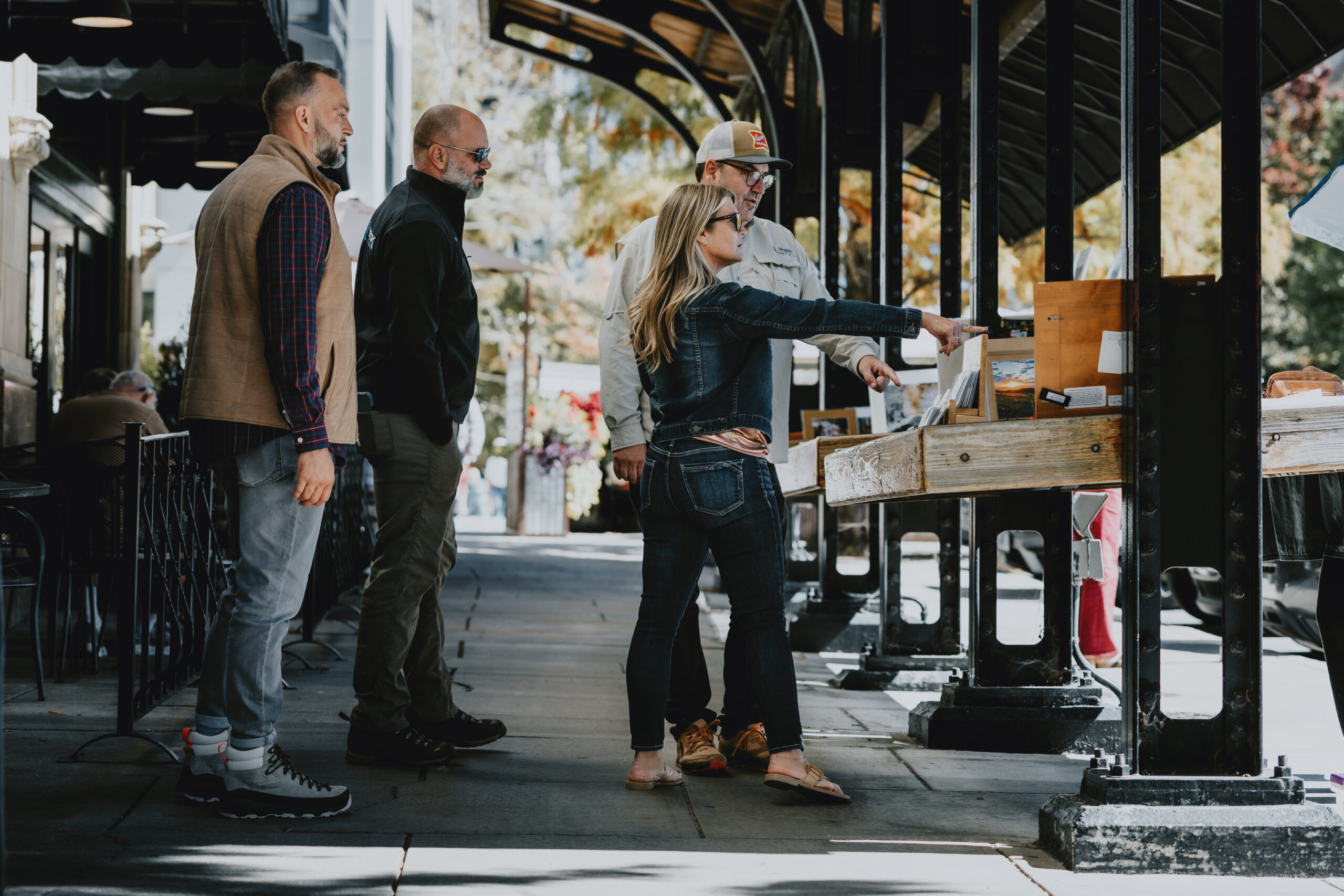
This tour leaves from 22 Woodfin Street. Meet your guide inside the Four Points Sheraton lobby on Woodfin Street, in downtown Asheville. The operator’s waterfall and Blue Ridge Parkway trips depart from Brevard instead, about 45 minutes away — so check which tour you have booked before you drive.
The tour begins at 22 Woodfin Street, Asheville, NC 28801, inside the lobby at the Four Points Sheraton Asheville Downtown. You meet your guide in the lobby itself, and you do not need to be a hotel guest to start there.
It runs three hours, and there are three departures a day: 9:00 a.m., 12:30 p.m. and 5:00 p.m. The 9:00 a.m. and 12:30 p.m. runs suit a day with other plans stacked around them; the 5:00 p.m. one catches the last of the light on brick and stone. Which times are open on the date you want shows on the booking calendar.
Two guests is the minimum booking, so a pair can hold a departure on their own without waiting for a group to fill. Public departures put you alongside other small parties, and private ones can be arranged for a family or a friend group. It is built for all ages, and children have their own fare on the calendar.
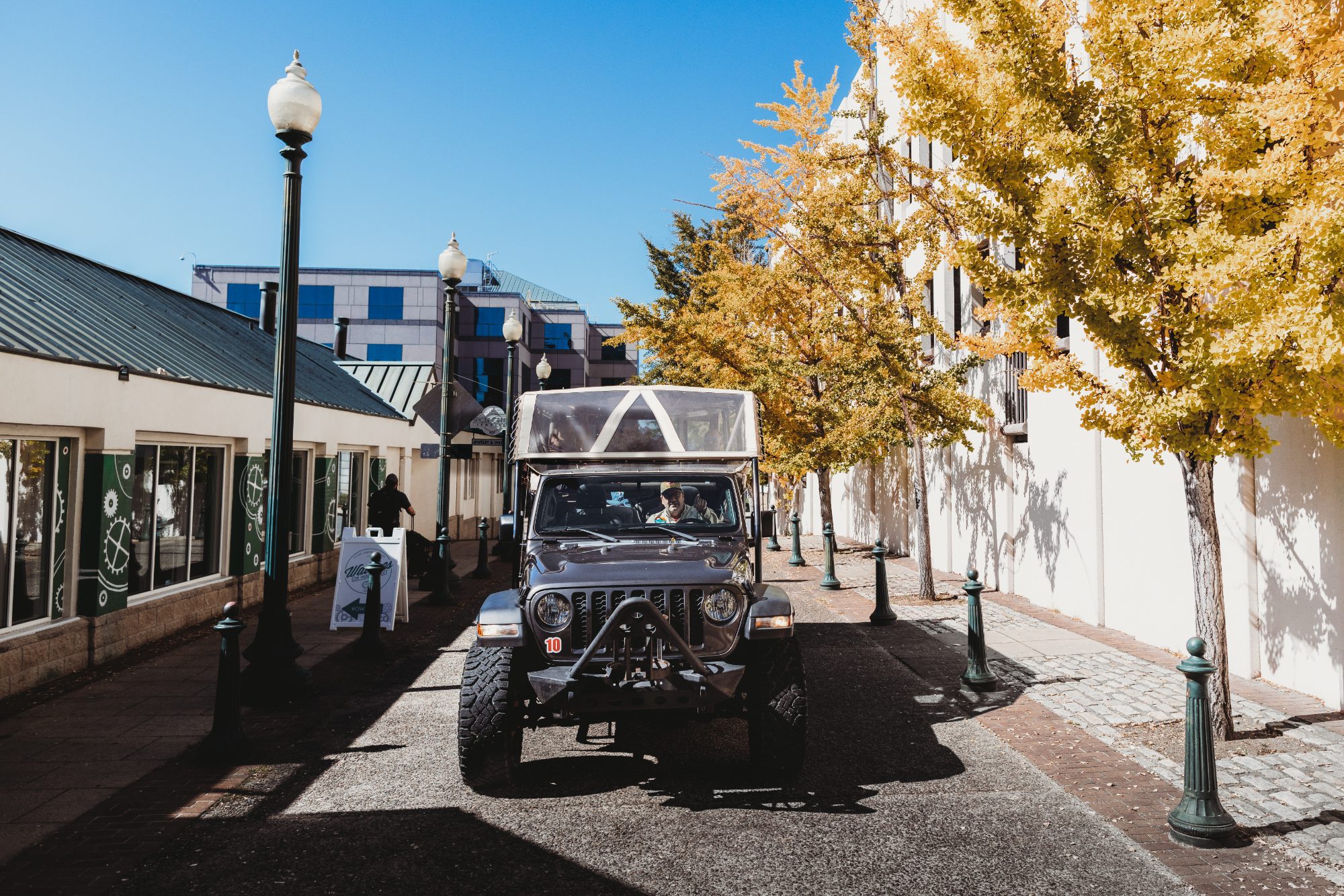
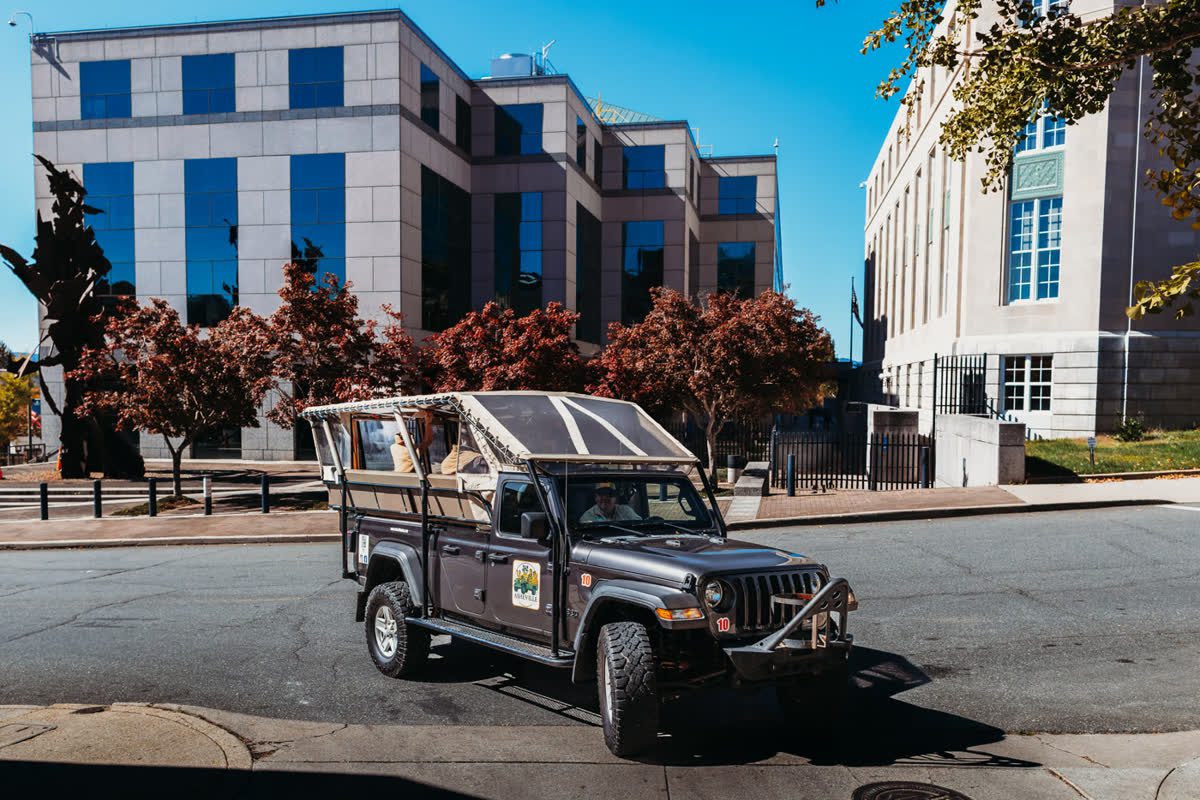
You ride in an open-air safari-style Jeep, and the open sides are what make it work as a city tour. Sightlines go straight up to the cornices and rooflines a windscreen would crop out, and a camera comes up with no glass in the frame. A local guide narrates the whole way, working from a hands-on knowledge of the city's history and its folklore, with time set aside for photographs and questions.
Cooler months bring enclosed and heated configurations, and blankets or rain ponchos ride along, so weather is a comfort question here rather than a reason to cancel. The route shifts with the season as well: new growth and wildflowers in spring, deep green and shade in summer, colour routes when the foliage turns, and the cleaner long views that open up in winter once the leaves are down.
The three hours are a seated, narrated ride, taking in mountain views and historic neighbourhoods across the city. Cancellation terms sit in the booking flow, and they hinge on whether trip insurance was bought, so read them before you pay. For anything else specific to your party, call the number on the booking card and ask the team directly.
Booking
Booking, prices and cancellations
$99 per guest aged 13 and up, and $59 for a child aged 5 to 12. The smallest booking the system will take is two guests, so settle the numbers in your party before you reach checkout.
Cancellation carries a condition worth reading twice. A full refund or credit is available with 48 hours' notice only if trip insurance was purchased with the booking; without that insurance, giving notice does not return the money. The condition is therefore settled at the moment you pay, not by a phone call afterwards. No-shows are charged the full price, so if the day falls apart, cancel rather than quietly skipping it.
The flow itself is short. Pick a date, choose a departure time, then set how many guests on the following step, which is where the adult and child counts turn into a total. Three start times sit behind that first click: 9:00 a.m. and 12:30 p.m. through the day, plus a 5:00 p.m. run. The 5:00 p.m. slot suits anyone who has already spent a full day on their feet. Whichever times are open on the date you want will show on the calendar, so check there for the day you have in mind.
Private and public departures both exist. A private booking keeps the open-air Jeep to your own family or friend group, special occasions included, while a public departure seats a couple or a small party alongside other guests. Either way the trip runs three hours and starts inside the lobby of the Four Points Sheraton Asheville Downtown, at 22 Woodfin Street.
Cooler-month departures can go out in an enclosed, heated configuration, and blankets or rain ponchos are on hand. Live dates, times and guest counts are all settled in one pass on the booking calendar.
Suitability
Who tends to book this tour
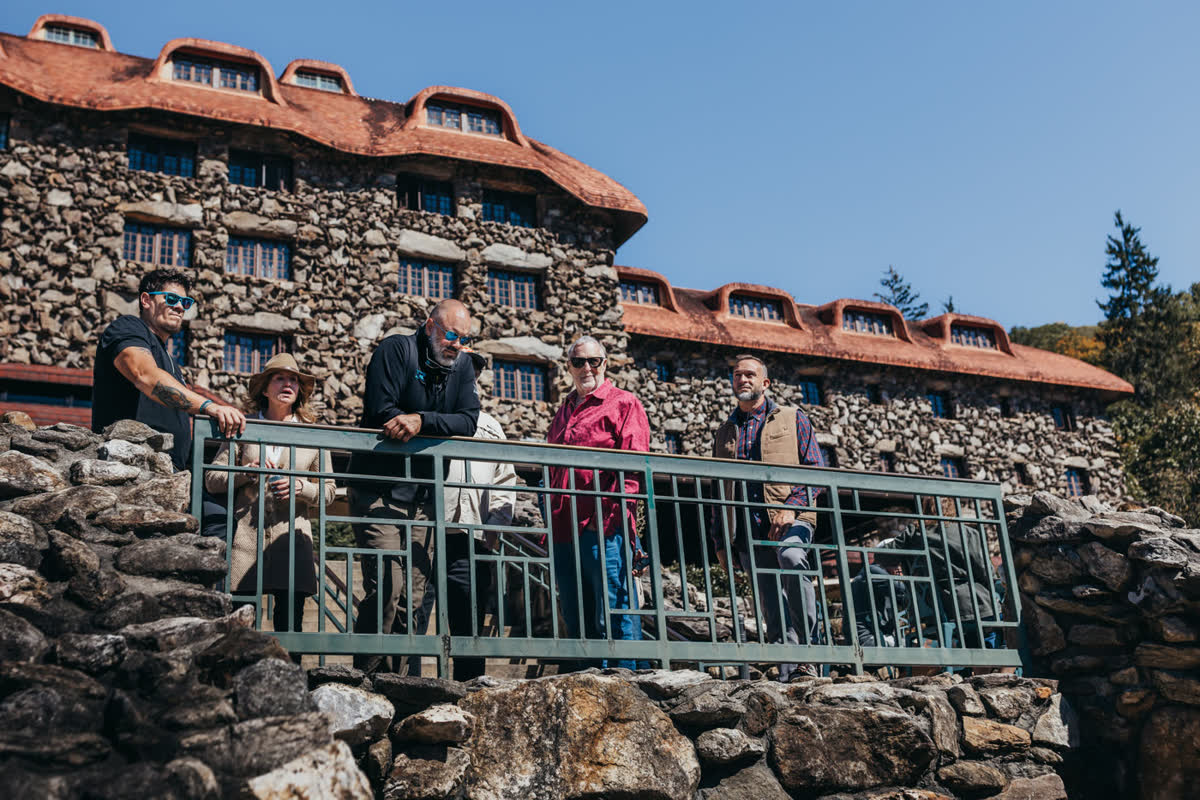
The format sorts most people quickly. Three hours, seated in an open-air Jeep, with a guide talking the whole way: you ride and listen rather than cover ground on foot. For a lot of visitors that one fact decides it, because it means taking in the city and its history without the work of driving yourself.
First time in Asheville?The core booking
First-time visitors are the core of the booking. Three hours of narration gives you the shape of the place — which neighbourhoods hold what, and which buildings deserve a second look — before you head out on your own for the rest of the trip. If you have a single day here, this is a way to spend part of it and come out knowing where to spend the rest. What riders on Asheville tours value most is the guide: someone who has lived in the city their whole life, with storytelling as the method and history and architecture as the substance.
Been here before, or live here?A different reason
Returning visitors and residents book it for a different reason. The streets are already familiar; the reasons behind them usually are not. Downtown's historic core runs to thirty blocks, and it stands today largely because the city borrowed heavily to build itself out and then lost the money in the 1929 collapse. Repaying that debt took nearly half a century, and left nothing over for demolition or redevelopment. What survived is an unusually complete stretch of early twentieth-century commercial architecture, still standing where it was built. Plenty of people live near that history for years without ever being told it.
Do you prefer a story to a timeline?That is how it is built
The tour is built for people who prefer story to chronology. The threads are Gilded Age money arriving by rail and deciding these mountains were where it wanted to spend the summer; F. Scott Fitzgerald's years in the city; moonshiners and bootleggers, and the resourcefulness behind them; a historic mansion that predates the city's better-known estate; and the long hardship and recovery that followed 1929. A guide with the historical and cultural background of the place at hand can take a question sideways and keep going. Narration comes with time for photos and questions, so it runs as a conversation.
It is sold as great for all ages, and the fares follow: children aged 5 to 12 have their own price, and everyone 13 and over pays the adult one. The public departures are there for couples and solo travellers. Families, friend groups and anyone marking an occasion can take the whole vehicle privately instead.
Two things to settle before you decide. The minimum booking is two guests, so a solo traveller joins a public departure and shares the Jeep with other guests. The open-air part is adjustable: in cooler months the vehicle can be enclosed and heated, with blankets and rain ponchos on hand.
This is a poor fit if what you want is a slow walk through a few blocks with time to go inside the buildings; the city has plenty of guided walks on foot for that. Three departures run each day, the last of them late in the afternoon, which makes it easy to fit around a meal or the end of a long drive.
Timing
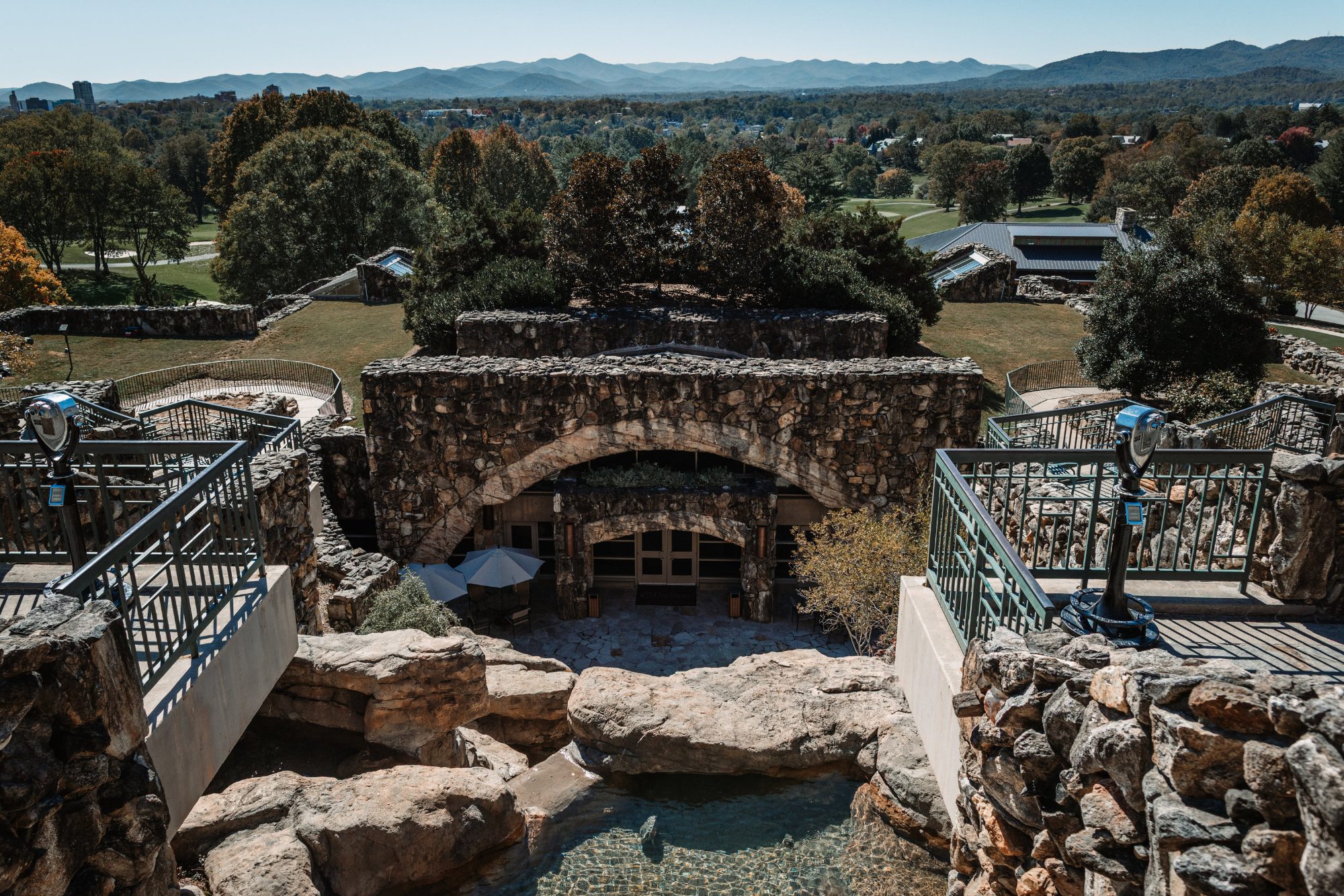
The best time of year to take it
Any month works, because the route and the highlights are adjusted season by season, so the same three hours hand you a different city in April than they do in January. Three hours is also long enough to get out of the middle of downtown and back, which is why the seasonal difference shows up at all.
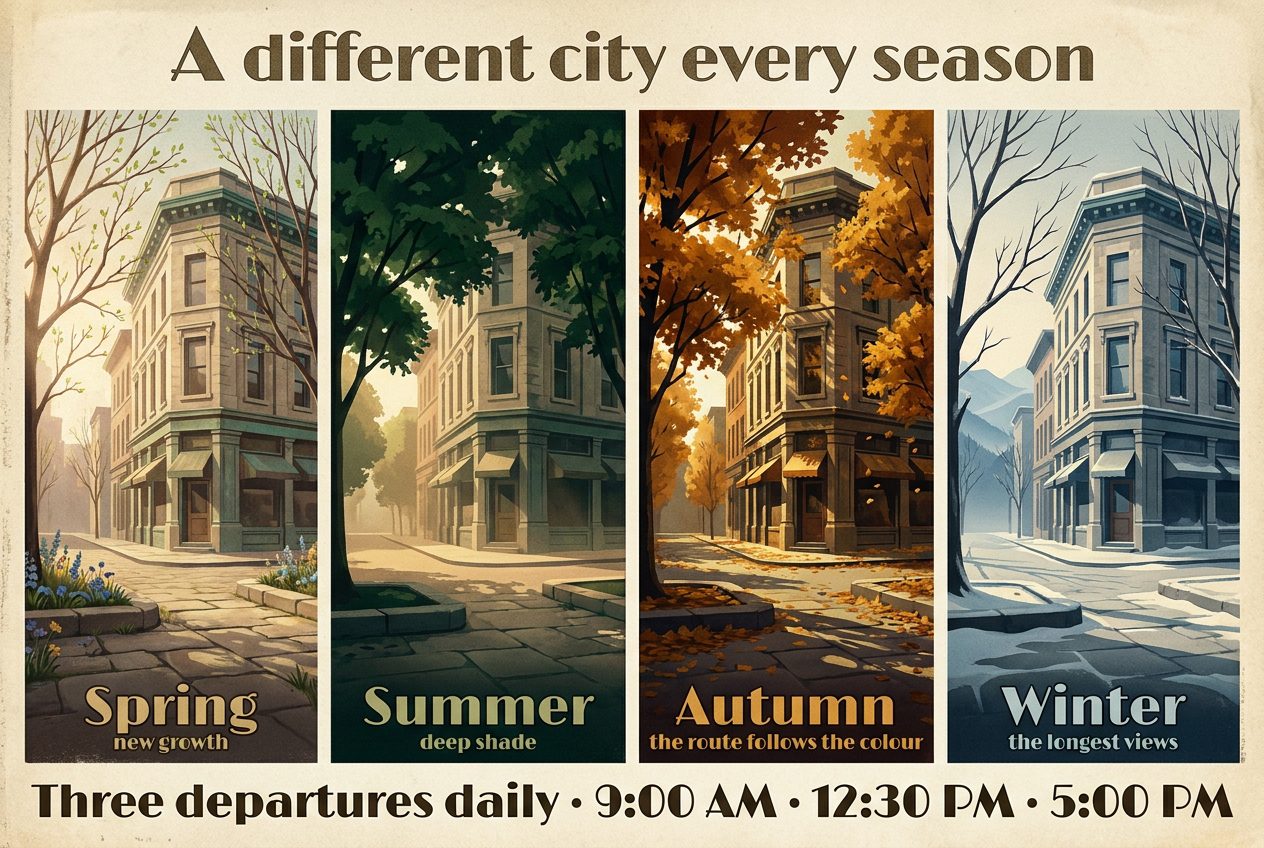
Spring is wildflowers and new growth. The older residential streets come back into leaf, the slopes above them turn from grey to green, and an open-air Jeep is the right machine for that, with nothing between you and the air. Folklore and the small landmarks people walk past without noticing carry the same weight in any weather, and there is time built in to stop and photograph.
Summer is lush and shaded. The city sits in the mountains rather than beside them, so a summer route can trade hot pavement for cool forest air, and the canopy is at full weight overhead. This is the season where a guide who knows which way to turn out of the sun earns the fare.
Autumn is the colour, and the itinerary follows it. Peak-colour routes get chosen by where the colour actually is that week, which is what a local guide gives you over a plan you made at home. Downtown gets its own version of it, old street trees going over against brick and stone.
Winter gets written off, and it is the season that shows you the most. With the leaves down the sightlines open, so ridgelines that were a wall of green in July read as mountains again, and the architecture stands clear of the foliage that half-hides it the rest of the year. Much of what you are looking at only survived by accident: once the money was gone there was nothing to knock it down with and nothing to build in its place, so the streetscape stayed put. Quiet landscapes and long views, then. The Jeep runs enclosed and heated in the cooler months if you want it that way, and blankets and rain ponchos are on board either way.
The three start times are three tours of the same city. 9:00 a.m. gives you morning light across the building faces and a downtown still opening up. 12:30 p.m. is the middle of the day, the easiest slot to build a family outing around. 5:00 p.m. is the end of it, low sun and long shadows as the city comes out for the evening. Which of the three is running on the date you want sits on the booking calendar, so look there before you plan the day around one.
None of it depends on the forecast. The Gilded Age money that made Asheville a summer address for America's wealthiest families, Fitzgerald's chapter in the city, the moonshiners and bootleggers who turned mountain ingenuity into a business, the crash of 1929 and the long climb back out of it, and a historic mansion that predates the city's better-known estate — that is the tour in July and in January alike. Pick the season you want and the start time that fits the rest of your day.
Seeing Asheville from an open-air Jeep
Asheville gives you several good ways to see it, and the differences are real. A narrated trolley gives the widest sweep for the least effort, running hop-on, hop-off, and riders use it to work out which neighbourhoods they want to come back to on foot. Ninety minutes of it gives a working overview of the city. A guided walk goes deepest on a single stretch of architecture: ticketed downtown history walks run an hour and forty-five minutes from $35 a person, and some are led by trained historians, including one who taught urban history for about twenty years. Smaller outfits take appointment-only bookings on narrow subjects — one maps the sites of more than 450 Jewish-owned businesses downtown. A self-guided audio app costs the least and runs entirely on your own schedule.
There are other open-air choices as well: an electric six-seater tuk-tuk covering downtown and the arts district, a comedy bus that gets laughs out of local history, ghost walks after dark, and a brewery walk of three hours and a quarter.
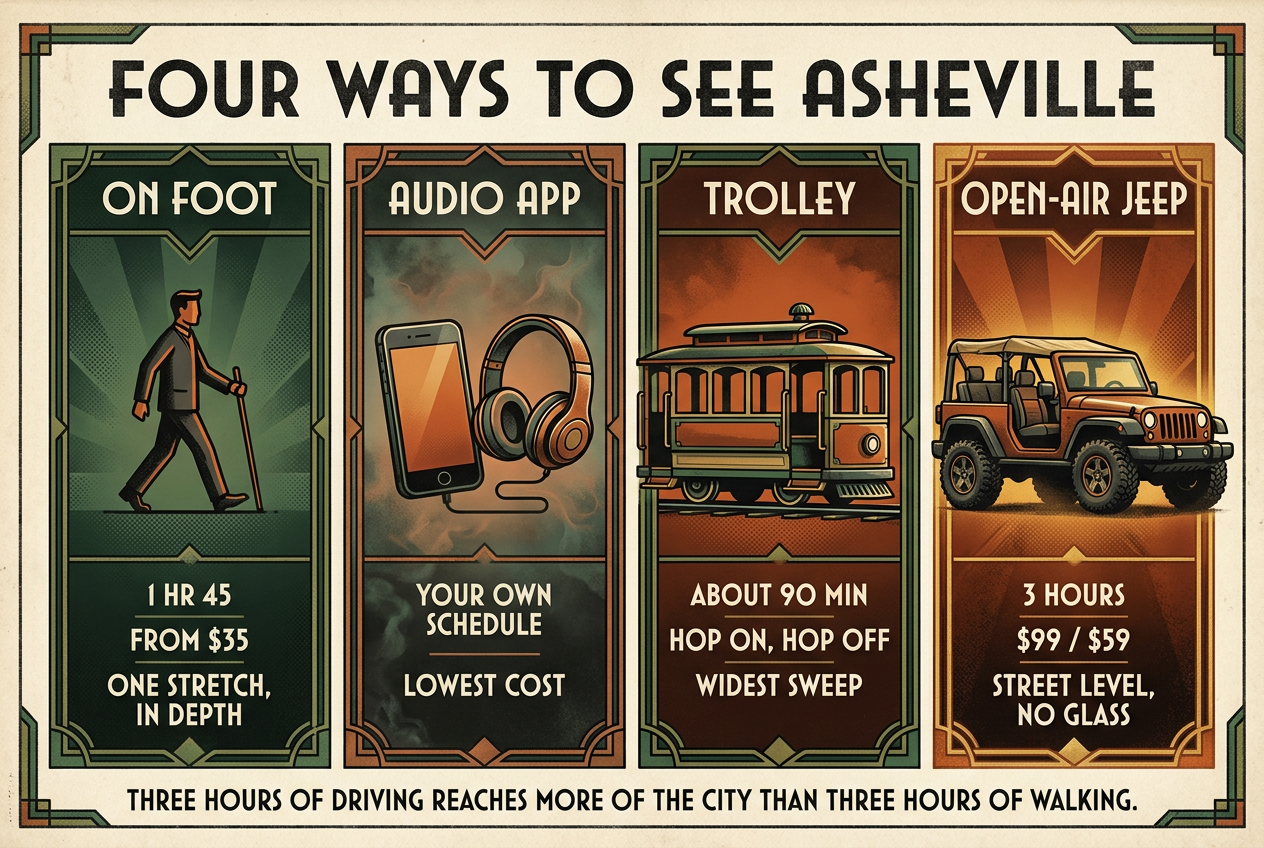
An open Jeep does something none of those can. You sit at street level with nothing between you and the facades, and three hours of driving covers far more of the city than three hours of walking. A walking tour can only reach what is walkable from where it starts. A small vehicle fits where a coach cannot, so quiet residential blocks stay available. Because your guide is a few feet away, they can stop mid-sentence and point at the building they are describing, and there is time built in for photographs and questions.
Photographs are better with no glass in the way — no reflections, no window frame to compose around. Most Jeep trips in this area head for the mountains: Pisgah National Forest, the parkway, backroads and waterfalls, so pointing an open vehicle at the city's own history is the unusual part. The appeal carries straight over from those mountain runs — you get to look at everything while someone else drives. The mountains stay in view while you move around town.
In cooler months the same tour runs in enclosed, heated configurations, and blankets and rain ponchos are kept on board. Across every format in this city, the guide is what visitors single out, and what they value most is hearing Asheville from someone who has lived here their whole life. That is the work here: Gilded Age money, Appalachian moonshining, the writer who came here to work and the crash of 1929 with the long hardship after it, told by local guides who know the ground.
Choose by what you want out of the day. For the closest look at one block of architecture, walk it. For the city's whole arc in three hours, at street level and off your feet, take the Jeep.

Questions
Questions people ask before booking
Does Asheville have a historic district?
Yes, several. Thirty blocks of downtown make up a historic district on the National Register of Historic Places.
Montford, the Grove Park area, Albemarle Park, Chestnut Hill, Lakeview Park and Norwood Park are all listed districts in their own right, which is why a city built on a few hills holds so much old fabric in so small a footprint.
What does the tour actually cover?
Five threads: Asheville as a playground for America's wealthiest families in the Gilded Age; F. Scott Fitzgerald's time in the city and how it fed into The Great Gatsby; Appalachian heritage, meaning moonshiners, bootleggers and mountain ingenuity; the historic mansion that predates the city's better-known estate; and the financial collapse of 1929, the hardship that followed, and the recovery after it.
That last thread explains the others. The city carried an enormous municipal debt into the crash, and servicing it for nearly half a century left nothing spare to demolish or redevelop, so the early twentieth-century downtown is still standing.
Is this a trolley or hop-on hop-off tour?
No. Hop-on hop-off trolleys do run in Asheville, and this is a different kind of outing.
It is three hours in an open-air safari-style Jeep with a local guide narrating the whole way, and the history and folklore arrive as stories rather than a list of dates.
Where does the tour leave from?
Meet inside the lobby at the Four Points Sheraton Asheville Downtown, 22 Woodfin Street, Asheville, NC 28801. The same address appears on the booking page, and every departure of this tour starts there.
How long is it, and what time does it leave?
Three hours, with departures at 9:00 a.m., 12:30 p.m. and 5:00 p.m. Which of the three run on a given date shows on the booking calendar, so choose the date first and the time second.
How much does it cost, and what do children pay?
$99 for guests ages 13 and up, and $59 for children ages 5 to 12.
The minimum booking is two guests, and both fares cover the same three hours with the same guide.
Is this a good tour for kids?
It is pitched at all ages, and there is a child fare for ages 5 to 12.
Bootleggers and a crash that nearly finished a city turn out to be good material for children, and there is time built in for photos and questions along the way.
What happens if it is cold or raining?
Blankets and rain ponchos are kept on board, and enclosed and heated configurations are available in cooler months.
The route and the highlights shift with the season too, from fall colour to the quieter landscapes and long clear views of winter.
Can we book it as a private group?
Yes. The same three-hour tour runs privately for a family or a friend group marking an occasion, and as a public departure for couples and small groups.
What happens if we need to cancel?
A full refund or credit is available with 48 hours notice, on the condition that trip insurance was purchased with the booking. No-shows are charged the full price, so if plans change, change the booking before that 48-hour mark.
Where did F. Scott Fitzgerald stay in Asheville?
At the Grove Park Inn, across the summers of 1935 and 1936 — he moved in for the second stay in April 1936. He had come looking for somewhere cheaper to rest and recover, carrying a mild case of tuberculosis, and he spent those months losing ground to drink, debt and a block that would not lift. He broke his shoulder here and had a sling improvised out of typewriter ribbon, and he hired an Asheville woman, Martha Marie Shank, to run his business affairs. In 1936 he moved Zelda to Highland Hospital in Asheville. It is one of the five threads your guide works through, and the line that runs from it to The Great Gatsby is part of it.
What is the dark history of Asheville?
Mostly money. Through the 1920s the city borrowed heavily to build itself out under a bond-financed campaign called the Program for Progress — City Hall, the water system, a tunnel and a high school — and ended up owing more than Greensboro, Winston-Salem, Durham and Raleigh owed put together. House prices fell nearly 50 percent between 1927 and 1933. In November 1930 the largest bank in western North Carolina closed with public money inside it, and Asheville carried the heaviest burden of any American city after the crash. The debt took nearly half a century to clear — and because there was never anything spare to pull the 1920s downtown down, it is the reason those buildings are still standing.